Browse industry-specific solutions for bonding, coating, and dispensing. Find proven materials and manufacturing technology tailored to your exact requirements.
When building an adhesives process, no one’s first thought is primers. Used to modify a surface by adding a layer that can be bonded to — also known as chemical bridging — primers promote adhesion. They are typically used to promote bonding with low surface energy plastics or difficult to bond metals. While primers can promote adhesion and create a stronger, longer-lasting bond, they are an additional process step and carry H&S considerations. In many cases, the use of a primer can be designed out, or substituted for a surface treatment process.
When they are used
Primers are typically introduced after testing shows that a bond is not sufficiently strong to last the product’s lifetime. Primers do not modify the surface other than by adding a layer to the substrate that the adhesive can bond to. They generally dry quickly, and while they have a lifetime on the part of several hours, the adhesive should be applied immediately.
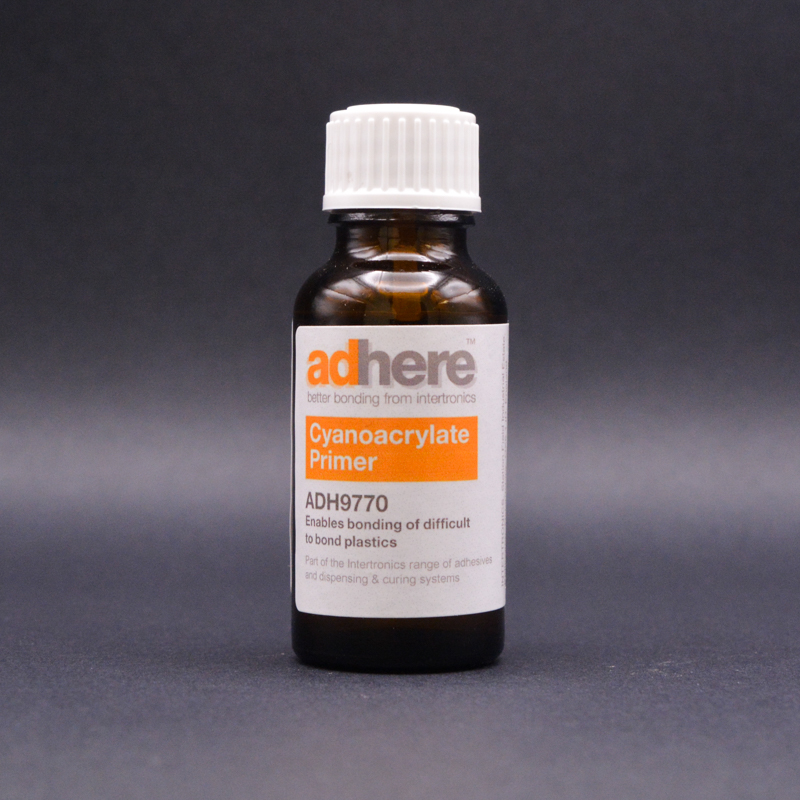
Primers are generally used in applications with difficult to bond plastics, such as polypropylene, polyethylene, or silicone rubber, or when bonding metals, such as galvanised steel, copper, or gold. They are designed to work with specific adhesive chemistries — for example, ADH 9770 is a primer for cyanoacrylate adhesives (CAs). We have seen customers bonding with CAs, silicones, epoxies, and methacrylates using primers.
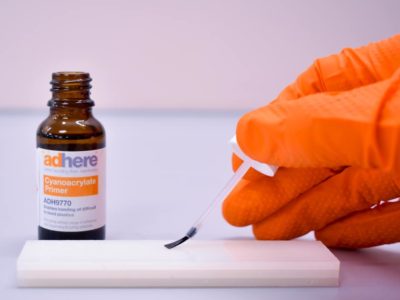
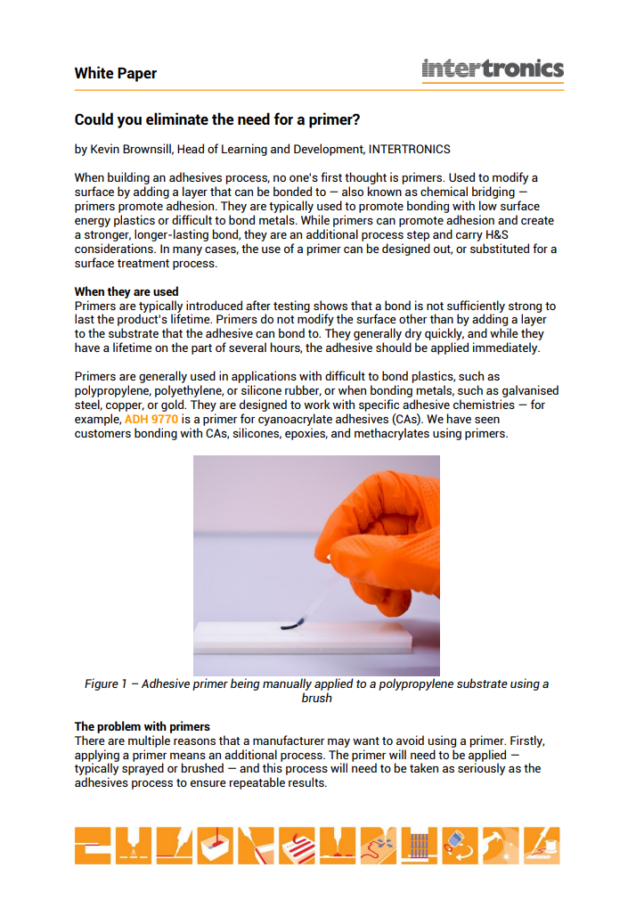
Figure 1 – Adhesive primer being manually applied to a polypropylene substrate using a brush
The problem with primers
There are multiple reasons that a manufacturer may want to avoid using a primer. Firstly, applying a primer means an additional process. The primer will need to be applied — typically sprayed or brushed — and this process will need to be taken as seriously as the adhesives process to ensure repeatable results.
Because primers are notoriously low viscosity and high wettability, they can therefore be difficult to dispense and apply. If they are applied by hand with a brush, their use adds a manual process that may offer poor repeatability and accuracy. Process control can be difficult if it is not clear how much has been applied, how much has evaporated, and how much operator variability has occurred.
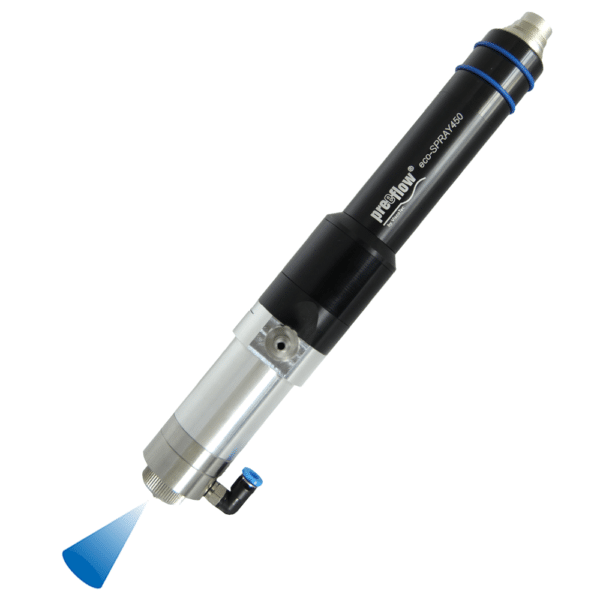
On the other hand, investing in dispensing equipment for a primer adds cost. They may be tricky to apply with simple time/pressure dispensing, and many manufacturers use a valve to prevent leaking. For example, our customers may opt for a preeflow® volumetric dosing unit or a Vermes jetting valve.
Figure 2 – preeflow’s eco-SPRAY can apply a thin, consistent layer of adhesive primer to substrates prior to bonding
Another consideration is that primers may introduce health and safety risks. They can be difficult to handle and are often hazardous to operators — they are solvented and may contain corrosive materials. This brings added H&S requirements, something many manufacturers work hard to avoid.
Finally, there is not always a suitable primer available. There are fewer primer options on the market than adhesives and, if the primer doesn’t adhere well, there is no benefit.
When primers can be avoided
In many cases, considering the adhesives process from the outset can circumvent needing a primer. An adhesives partner can guide you away from substrates that require a primer to bond well with your specified adhesive.
Alternatively, the adhesives partner may guide you towards surface treatment options instead, such as plasma surface treatment, blasting, or chemical etching. These processes alter the surface to make it more attractive to the adhesive, coating, or ink. In many applications, manufacturers can remove the primer and instead use surface treatment to improve surface energy and clean contaminants or oxides from the surface, both of which can improve bonding.
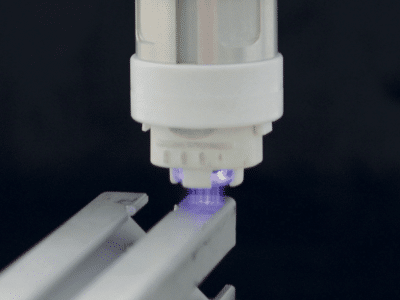
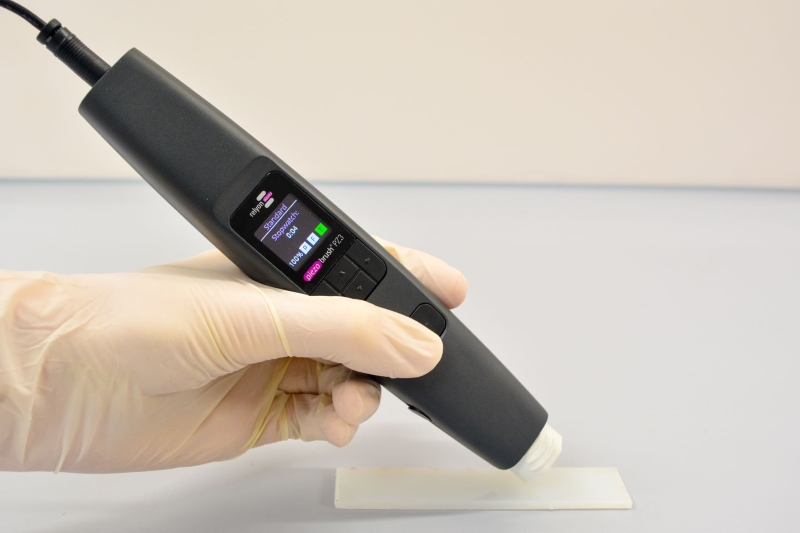
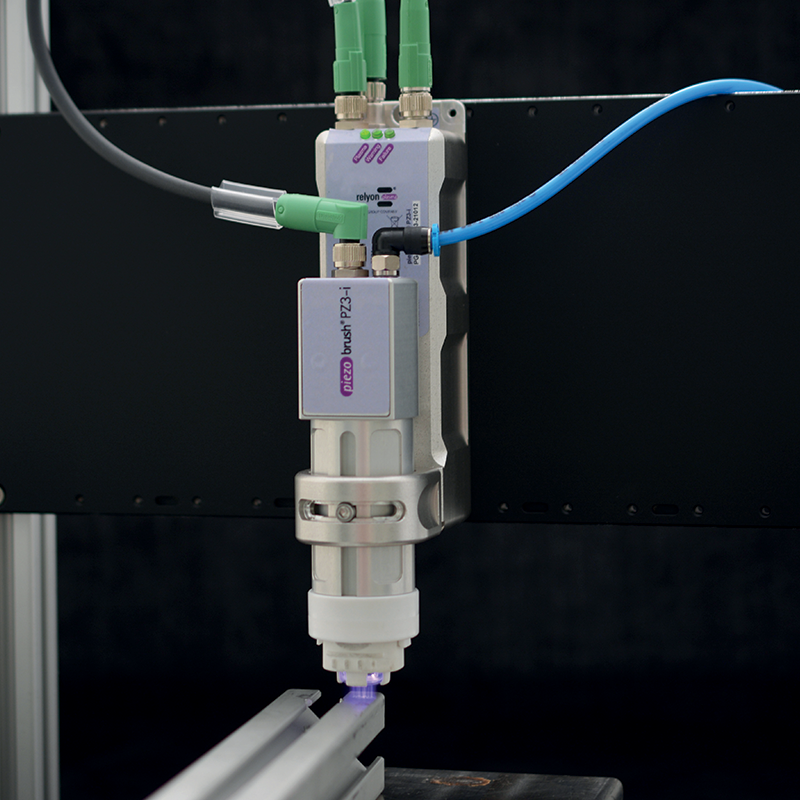
Plasma surface treatment, for example, can initiate a number of physical and chemical processes that treat the surface without additional chemicals. In a process known as functionalisation, plasma treatment can generate oxygen and hydroxyl groups on the surface of the substrate that act as bond sites, forming covalent bonds with molecules in the adhesive, improving bond strength. As well as increasing the substrate’s surface energy and, therefore, the wettability required for bonding, plasma can clean the surface and remove contaminants on the surface that would otherwise impede bonding.
Figure 3 – Relyon’s PZ3 and PZ3-i use cold plasma to increase surface energy and the quantity of bonding sites on substrates, improving adhesion
Cold plasma treatment can be a useful replacement for a liquid, chemical primer. The equipment is relatively inexpensive, the process is quick (a few seconds) and can be automated with a high level of process control. The health & safety concerns are minimal, needing only local ventilation, and there are no inventory or shelf-life issues as there would be with a chemical.
When primers are essential
It is important to note that primers cannot be designed out of all applications — some materials, silicones that contain a platinum catalyst in particular, require a primer not to improve adhesion, but to avoid a phenomenon called inhibition. Often referred to as ‘addition cure’, these materials can be inhibited by some plastics (including PVC) and metals. In practice, this results in an incomplete cure where the silicone remains tacky.
To avoid the phenomenon, it may not be desirable to swap the silicone for another material, due to its properties: shock, vibration, and temperature resistance. This means that in applications like electronics potting, it is common to use a primer on PVC wires when using a silicone potting compound.
An adhesives partner can guide you through the development of the process and advise on whether a primer is needed, or whether surface treatment or an alternative substrate may be best suited in your application. If a primer is inevitable, the partner can help from the outset to process and handle the primer in addition to the adhesive or potting compound, working to produce a well-controlled and well understood process, with the best possible health and safety practices in place.