Browse industry-specific solutions for bonding, coating, and dispensing. Find proven materials and manufacturing technology tailored to your exact requirements.
Though it may seem initially like a simple task, adhesive bonding is a vital and challenging part of product design. Every application is different and establishing what works best for your application involves detailed discussions and testing. For design engineers without specialist adhesives experience, consulting with an adhesives supplier early on will avoid complications later down the line, saving time and money.
In many cases, manufacturers contact adhesives providers once most of the design work is done — once they have finalised and assessed bondline design, substrate selection, environmental resistance, and more. The difficulty with this approach is, with much of the design finalised, there will be a particular set of requirements the adhesive needs to meet — a very specific gap in the jigsaw for the adhesive to fill. There may not be an adhesive that meets the criteria without major compromise, or a suitable adhesive may not be available in the specified packaging or quantities. If this is the case, the design may need to be changed, delaying the project and increasing the costs.
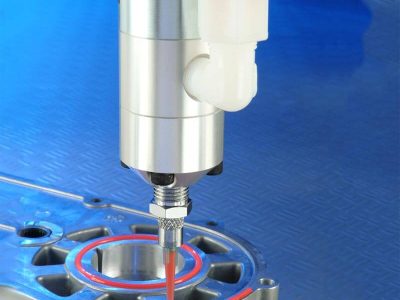
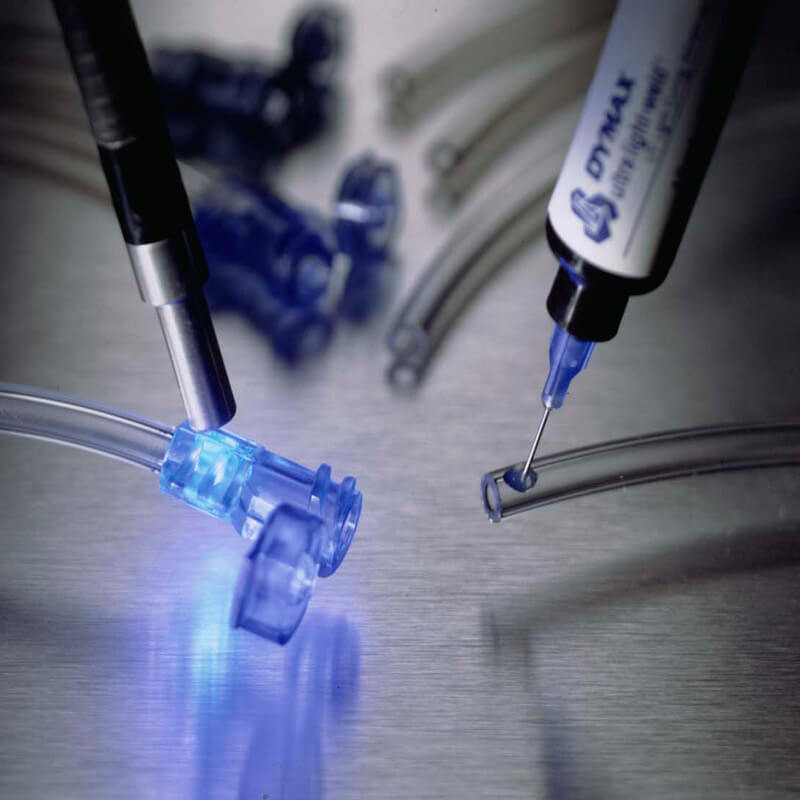
Figure 1 – Considering the role of adhesives during the design stage can mitigate the risk of future complications
It is much easier to make changes to the design earlier, while the process is fluid. We therefore recommend contacting an adhesives specialist at a stage where the substrates and bondline geometry could still be changed. Your supplier can lean on previous experience to recommend suitable adhesive candidates for testing — and explain why.
Prototype to production
Adhesive applications are complex and can easily become unstuck. A small change to a design can have a big impact on the performance of the adhesive; tweaking one thing can mean an adhesive that previously passed the testing for that application now has the potential to fail. For example, something as simple as how the substrate is pre-treated or cleaned can lead to part failure.
One common reason the bond fails testing at the later stages of a project is that the prototype has been made differently, or using different materials, to the production parts – for example, if the prototype was done using one white plastic and then later changed to another. Though it might be natural to expect the same result, the adhesive may no longer bond as well.
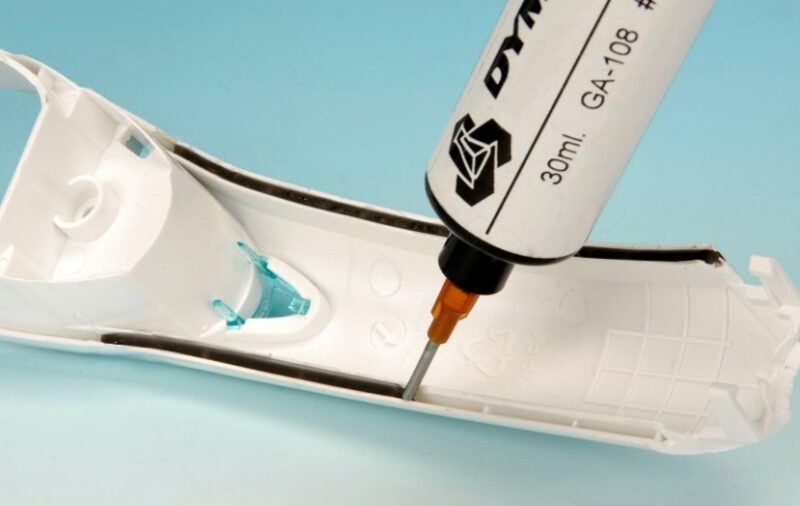
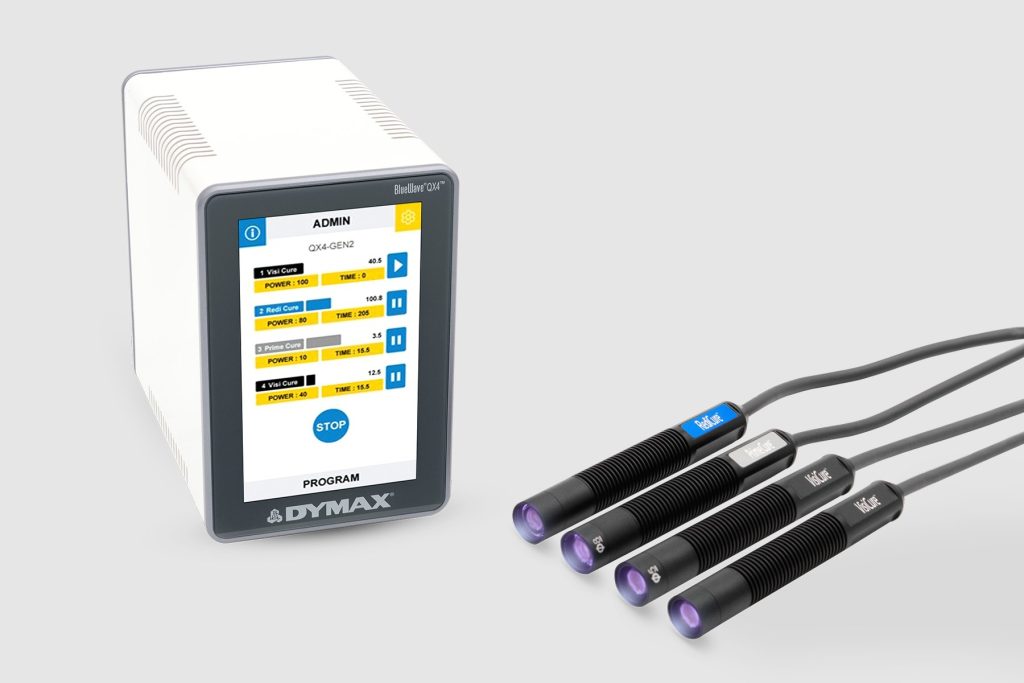
Figure 2 – Using the same substrates during prototyping and production mean specified materials can continue to perform as required
We recently supported a customer bonding plastic LEDs to plastic housing using a UV curing adhesive. The company then developed another version of the same product, which involved bonding the plastic LEDs to anodised aluminium instead. The new product did not pass the required testing, and the design had to be changed to incorporate a different adhesive.
Another factor to consider when changing the substrate is that many modern materials are formulated with specific properties where the benefits to the product design, such as chemical resistance or UV blocking, are the same properties that make the adhesive application challenging. For example, properties that make polypropylene an attractive option for design engineers (e.g., low surface energy, solvent resistance, opacity) may make it more difficult to bond.
As well as changing the substrate from prototype to production, we sometimes see manufacturers change the adhesive. In some cases, design engineers will prototype their product using an adhesive they have available in the lab or which is already used in the factory for another application. They will then select a different adhesive for the production parts using data sheets, subsequently meeting a challenge when production has started and the specified material doesn’t pass functional tests. It is important to note that the data sheet may not always give the same insights as practical observations, experience, and tests; in many cases, the data needs to be interpreted and extrapolated to fit with the individual scenario.
From design to production
Another possible hurdle is that the specified adhesive does not line up with the production team’s schedule. For example, many manufacturers request UV curing adhesives due to their ability to cure on-demand and in seconds, but the adhesive might not meet the functional requirements for the application in question. However, it is a challenge to simply swap one adhesive for another to meet a production-related challenge. One automotive customer was using a two-part epoxy cured in an oven to bond parts. Months later, as the production cell was being finalised, the company swapped to a UV material, because the epoxy’s cure time was too long. However, the same design bonded with a different adhesive didn’t pass any tests, and it was back to the drawing board on adhesive selection, adding time and cost to the project.
A good adhesives supplier can speak to the design engineer about the full complexity of the project, to establish the speed and long-term throughput requirements and make a recommendation for materials and dispensing technology to match. With this advice, the design engineer can play a vital role in enabling the product to move easily into the production stages without last minute changes to facilitate line speed and yield requirements.
Similarly, if the supplier talks the design engineer through the return on investment (ROI) considerations upfront, they can save their production colleagues’ time by ensuring what they have specified is commercially and technically viable. A bonding process consists of the cost of a material purchase and the cost of processing it – often the latter is a bigger proportion of the overall cost. For example, a supplier could explain how switching from a manual to an automated process could offer a good ROI, by resolving issues around validating the process, removing operator variance, and reducing the risk of operator repetitive strain injury.
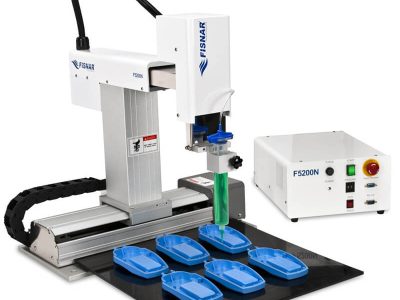
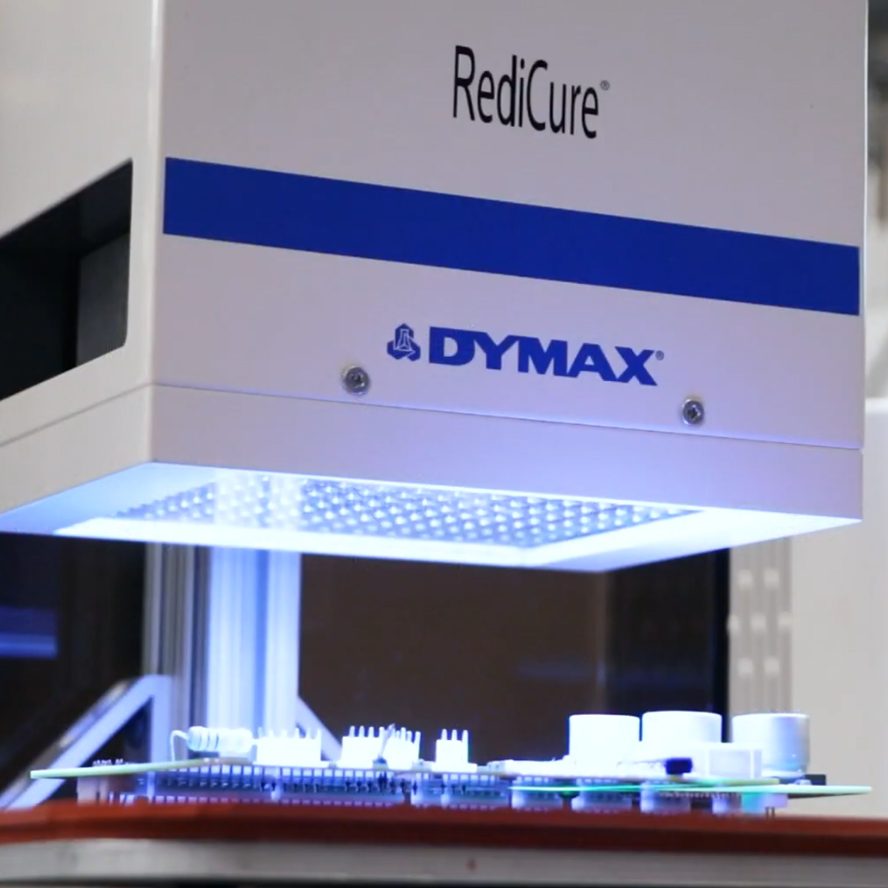
Figure 3 – Specifying automated dispensing at the design stage can allow manufacturers to meet their production speed and throughput goals
Conclusion
These issues can be easily avoided by contacting an experienced adhesives supplier early in the project, so they can advise on material selection, bondline design, and more. It is important that your supplier provides you with all the information you need on the adhesive, including its chemistry, how it cures, and how it can be dispensed. For example, if you are dispensing a cyanoacrylate with a secondary UV curing mechanism, which dispensing technology should you use to avoid clogging?
The adhesives supplier can explain why a material might work, using evidence from previous experience to advise on why it is a good selection, how it might be dispensed and cured, and to highlight any downsides or compromises. There is no ideal adhesive — if your supplier says a material “will definitely work”, this should trigger alarm bells. Good suppliers will be honest and up front about any problems they expect might arise, and which potential failure mechanisms should be checked. At Intertronics, we recognise the importance of asking our customers the right questions, understanding the detail of each application, and giving honest answers.