Browse industry-specific solutions for bonding, coating, and dispensing. Find proven materials and manufacturing technology tailored to your exact requirements.
ATEX certification for electronics potting compounds and encapsulants
Introduction
There are a number of challenges facing the manufacturers and users of electronics and electrical equipment which are to be deployed in hazardous, possibly explosive environments. The legal framework that businesses must follow in order to protect employees and property from explosion risk in areas with a potentially explosive atmosphere is ATEX.
ATEX
ATEX is the name commonly given to the two European Directives for controlling explosive atmospheres:
ATEX 95 equipment directive 94/9/EC (2014/34/EU as of April 2016) pertains to equipment and protective systems intended for use within potentially explosive atmospheres.
ATEX 137 workplace directive 99/92/EC outlines the minimum health and safety requirements to protect workers potentially at risk from explosive atmospheres.
For these purposes, an explosive atmosphere is defined as a mixture of dangerous substances with air, under atmospheric conditions, in the form of gases, vapours, mist or dust in which, after ignition has occurred, combustion spreads to the entire unburned mixture. Ignition sources could be open flames, high temperature, mechanically generated sparks and electrically generated sparks. Many workplaces may contain, or have activities that produce, explosive or potentially explosive atmospheres; for example, paint spraying may release flammable gases or vapours, or in factories where they handle fine organic dust such as flour or sawdust.
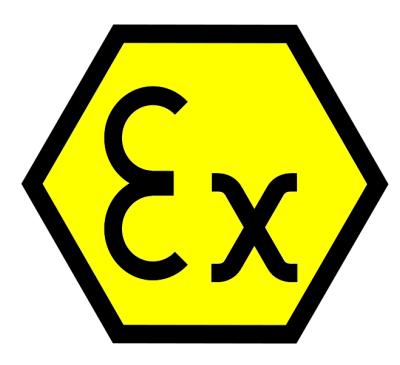
Figure 1 – Symbol for ATEX certified electrical equipment for explosive atmospheres
ATEX 95 directive 94/9/EC (superseded by 2014/34/EU in April 2016) details the regulations which apply to all equipment intended for use in explosive atmospheres, whether electrical or mechanical, including protective systems. If the product will need to meet the ATEX directives, then consideration of the requirements should start at the design process. Manufacturers must ensure that their products meet these essential health and safety requirements and undergo appropriate conformity procedures. This usually involves testing and certification by a third-party certification body, of which there are a number.
Potting compounds
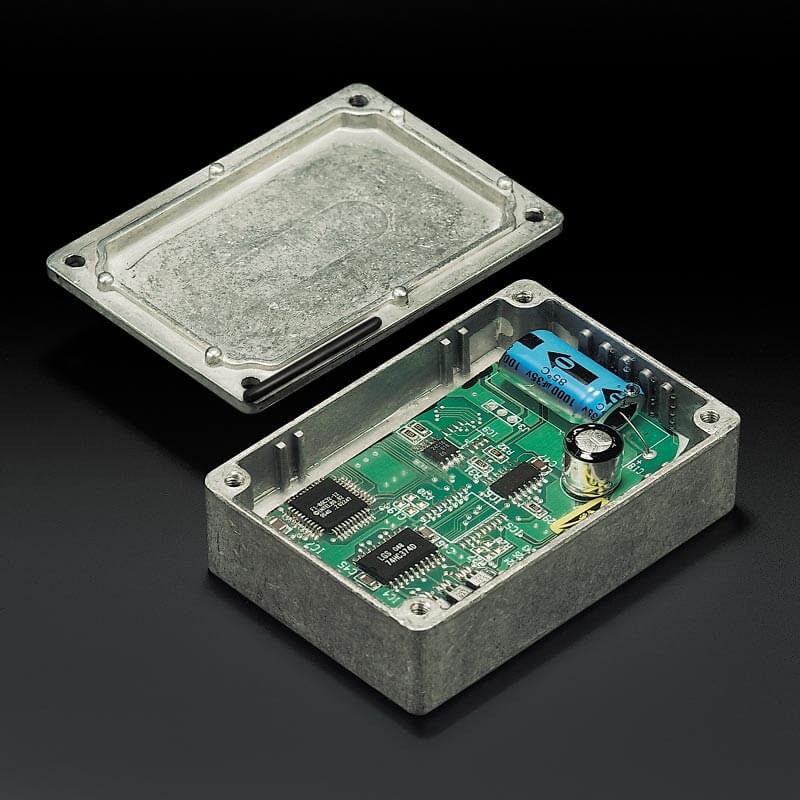
If a potting compound or other circuit encapsulation material is deemed a requirement during the development of a product (for example, for isolating ignition-capable electronics), then the choice of material could be key in gaining later ATEX certification.
It is important to note that the ATEX directives are applied to finished products and assemblies, not constituent components or materials in isolation. But in the case of potting compounds, the characteristics of the cured material and how these affect the safety of the overall product will be considered when tested for certification. Does the ATEX protection concept depend on them?
To gain ATEX certification, all constituent materials must be defined. For generics like metals and metal alloys, this is straightforward as the information is normally in the public domain. For non-metallic materials like polymers and elastomers, the information required includes the level of fillers and other additives in the formulation, and this is often commercially sensitive information.
As would be expected, the testing process for ATEX certification is rigorous and intensive. There is a wide variety of tests that are carried out, specific both to the finished product and the environment of its intended use. Tests that may be undertaken to evaluate the suitability of potting compound include vibration tests, chemical shock tests, atmospheric humidity tests and more. Environmental testing typically comprises 28 days at 95⁰C and 90% RH followed by 24 hours at -25⁰C. This is a difficult regime for a potting compound, especially if it absorbs moisture in the first phase, which then damages the structure in the freezing phase.
Figure 2 – Opti-tec 7020 is a clear silicone potting compound
Successful certification
Several of our materials have been used in products which have been successfully granted ATEX certification for use in explosive environments. These products include:
Opti-tec 7020 – an optically clear, silicone potting compound. Useful for LED potting.
We have worked with testing and certification agencies such as Baseefa, TRaC and Eurofins, and have been able to provide the appropriate levels of formulation detail which has enabled our materials to be defined, and our customers’ products which use our materials to be certified.
Conclusion
The keys to success in finding a potting compound which will help your product gain an ATEX certification are specifying one which meets the stringent test requirements, and finding a supplier who is willing to work with the commercial demands of the certification process.