- Products
- Industries
-
-
-
Industries
Browse industry-specific solutions for bonding, coating, and dispensing. Find proven materials and manufacturing technology tailored to your exact requirements.
-
-
-
- Knowledge centre
- News and insights
- About us
-
-
-
About Intertronics
Get a clearer view of the team, facilities and standards behind the technical support offer.
-
-
-
- Contact us
Instructions
How to mix a twinpack - JoinedUpMinute
In this one minute video, Matt demonstrates how to effectively mix adhesives and potting compounds found in twinpacks into a homogeneous, ready-to-use material.
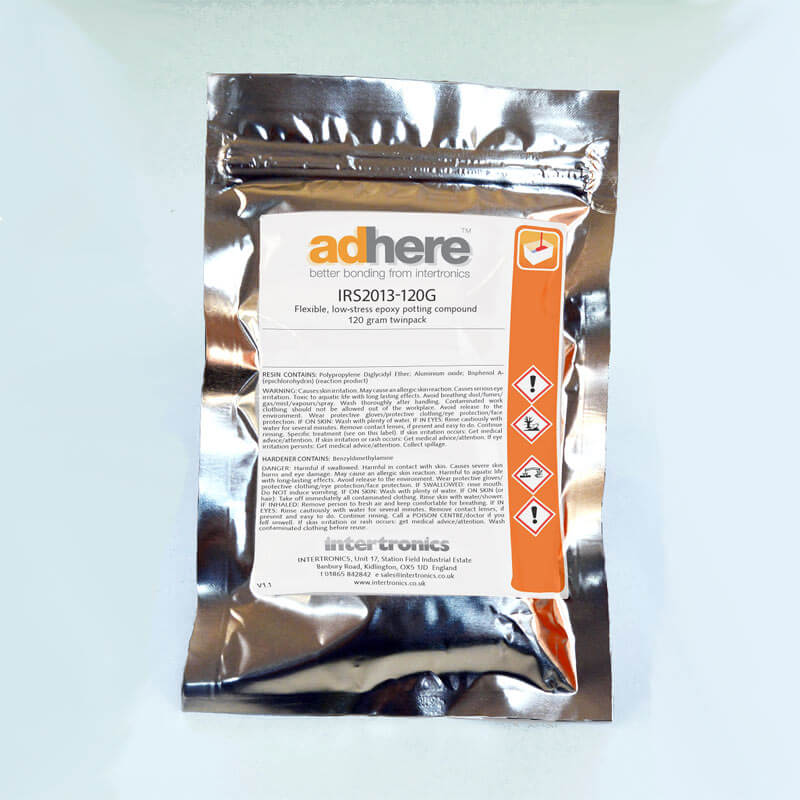
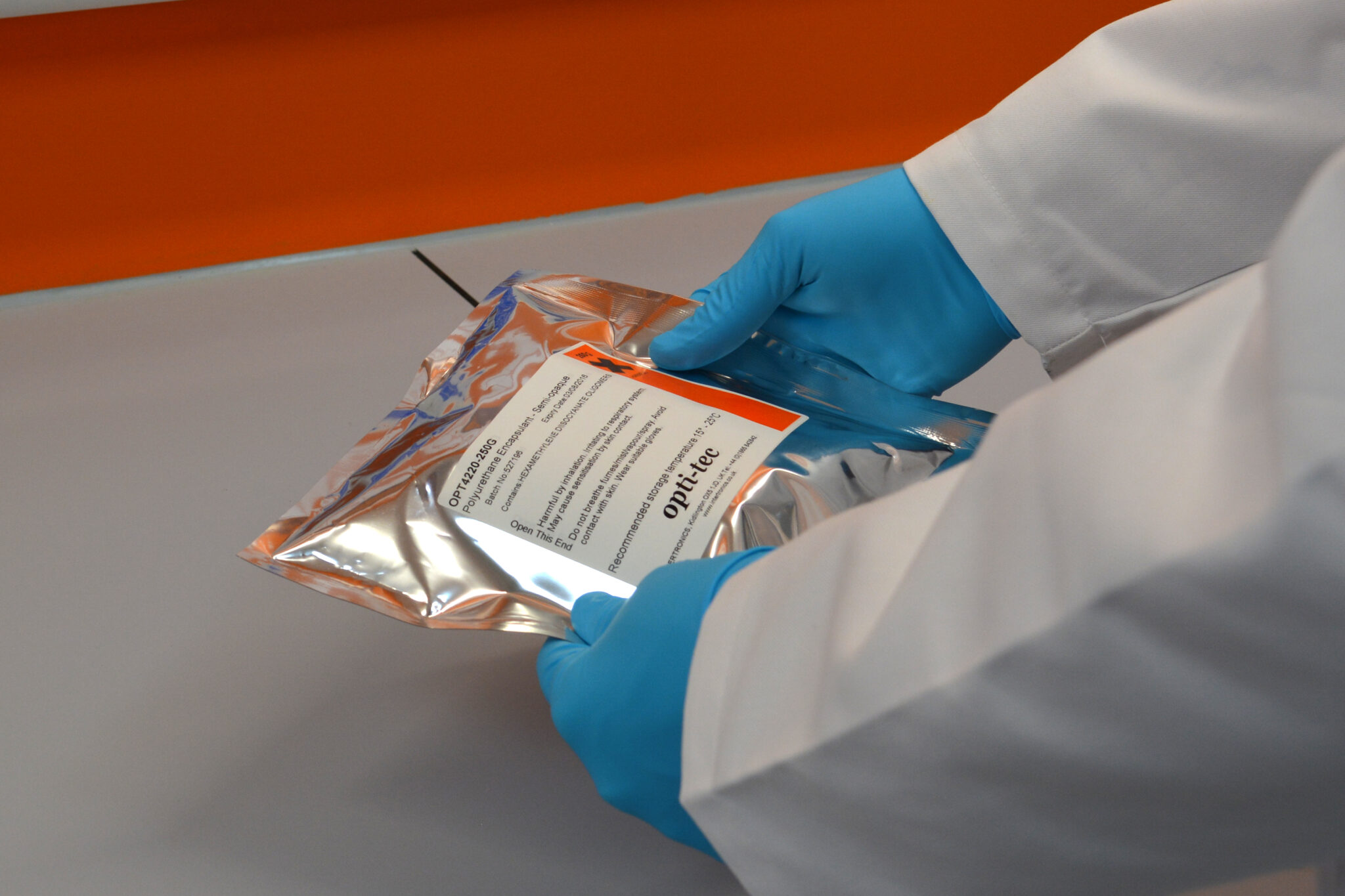
- Observe the Health & Safety instructions on the pack label, and any printed special mixing instructions. Wear suitable PPE.
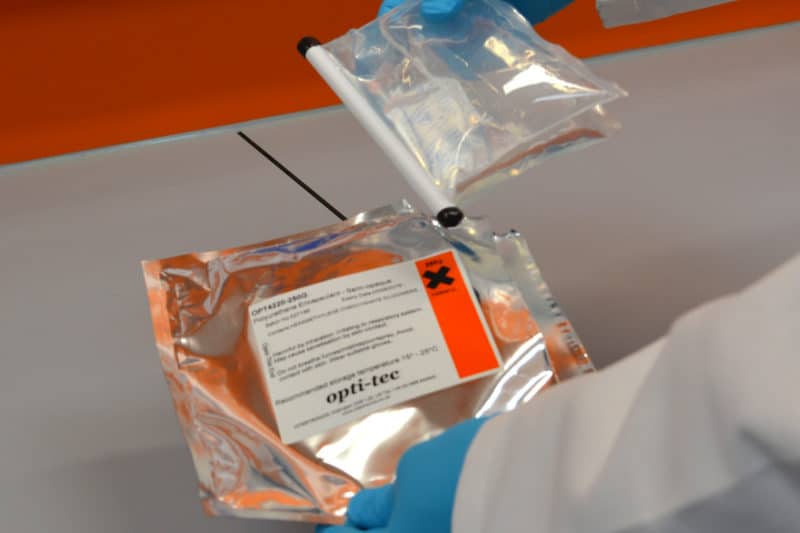
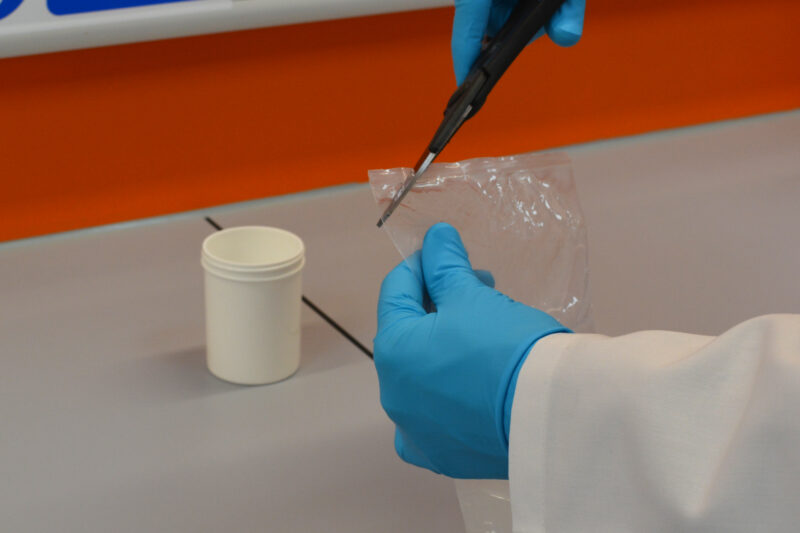
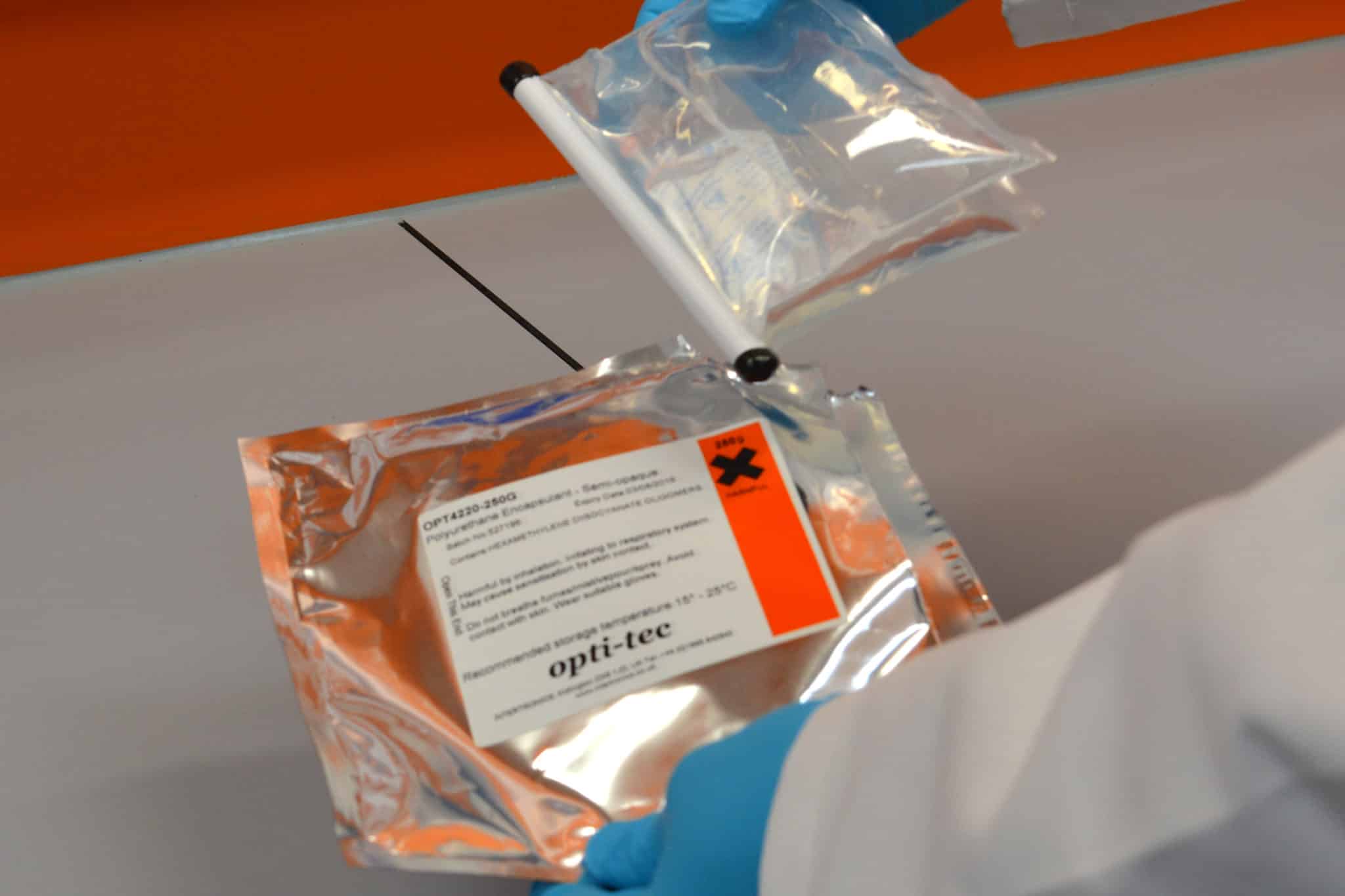
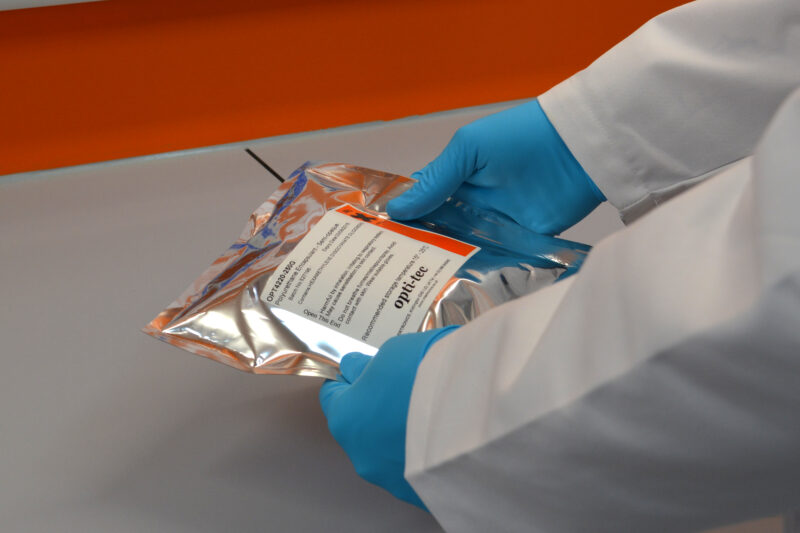
- Remove the outer wrapper by cutting with scissors, taking care not to puncture the inner twinpack(s). In the case of moisture-sensitive products, it is important to inspect the outer aluminium bag before opening. If there are any holes or tears in the aluminium, do not use the pack. Bags may contain some small moisture absorbing desiccant sachets which should be discarded.
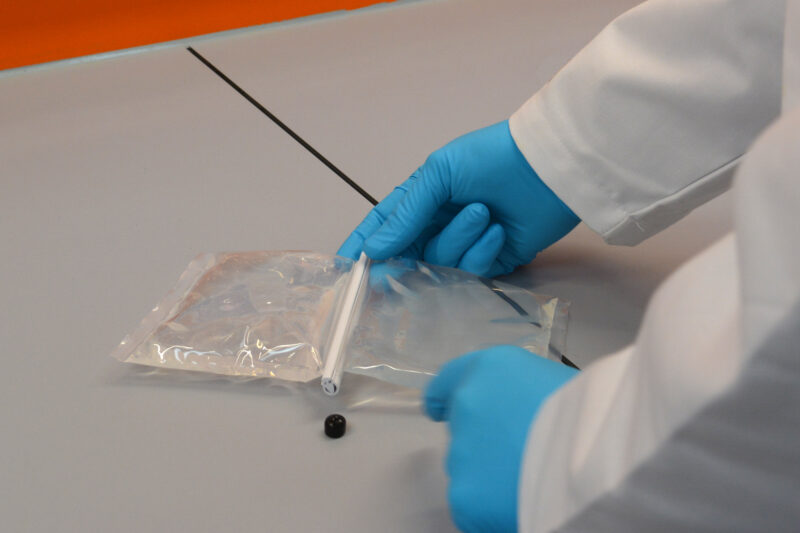
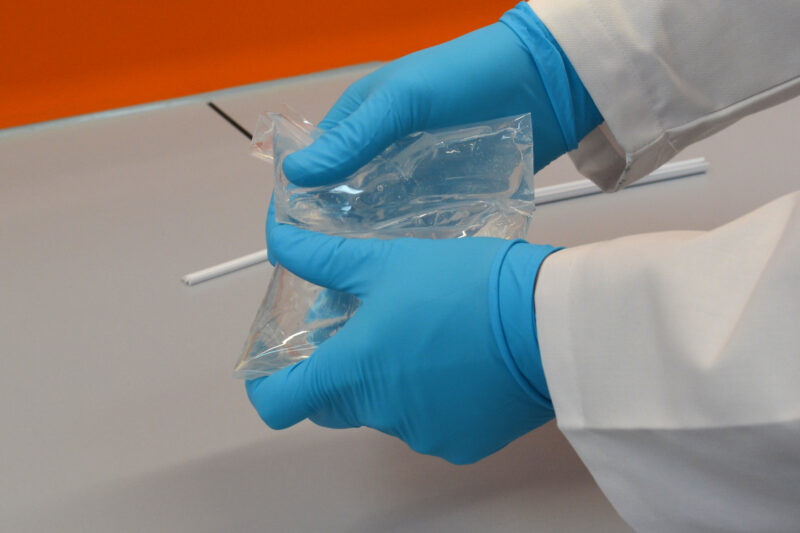
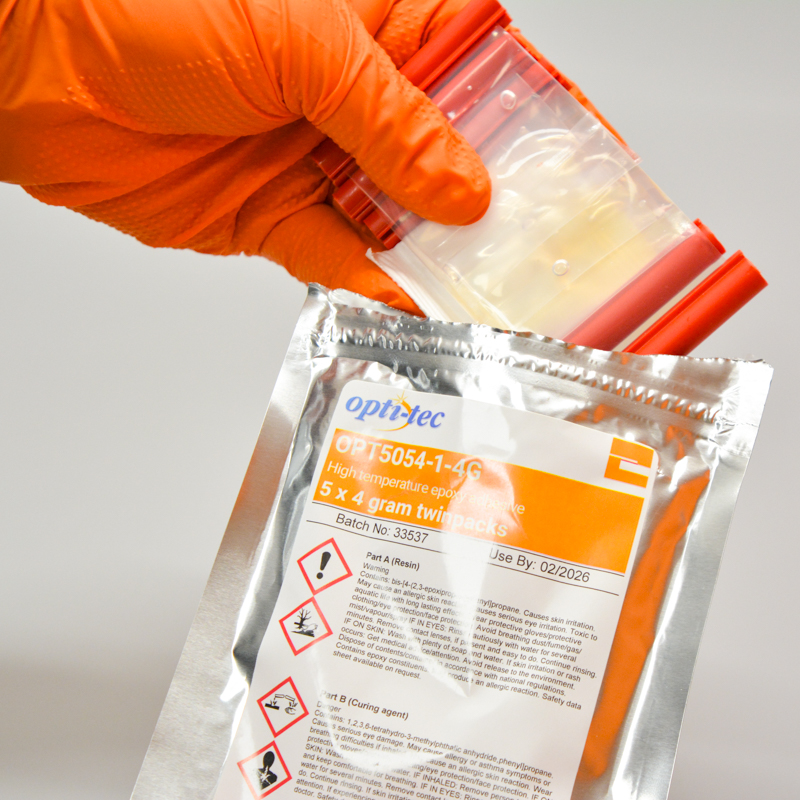
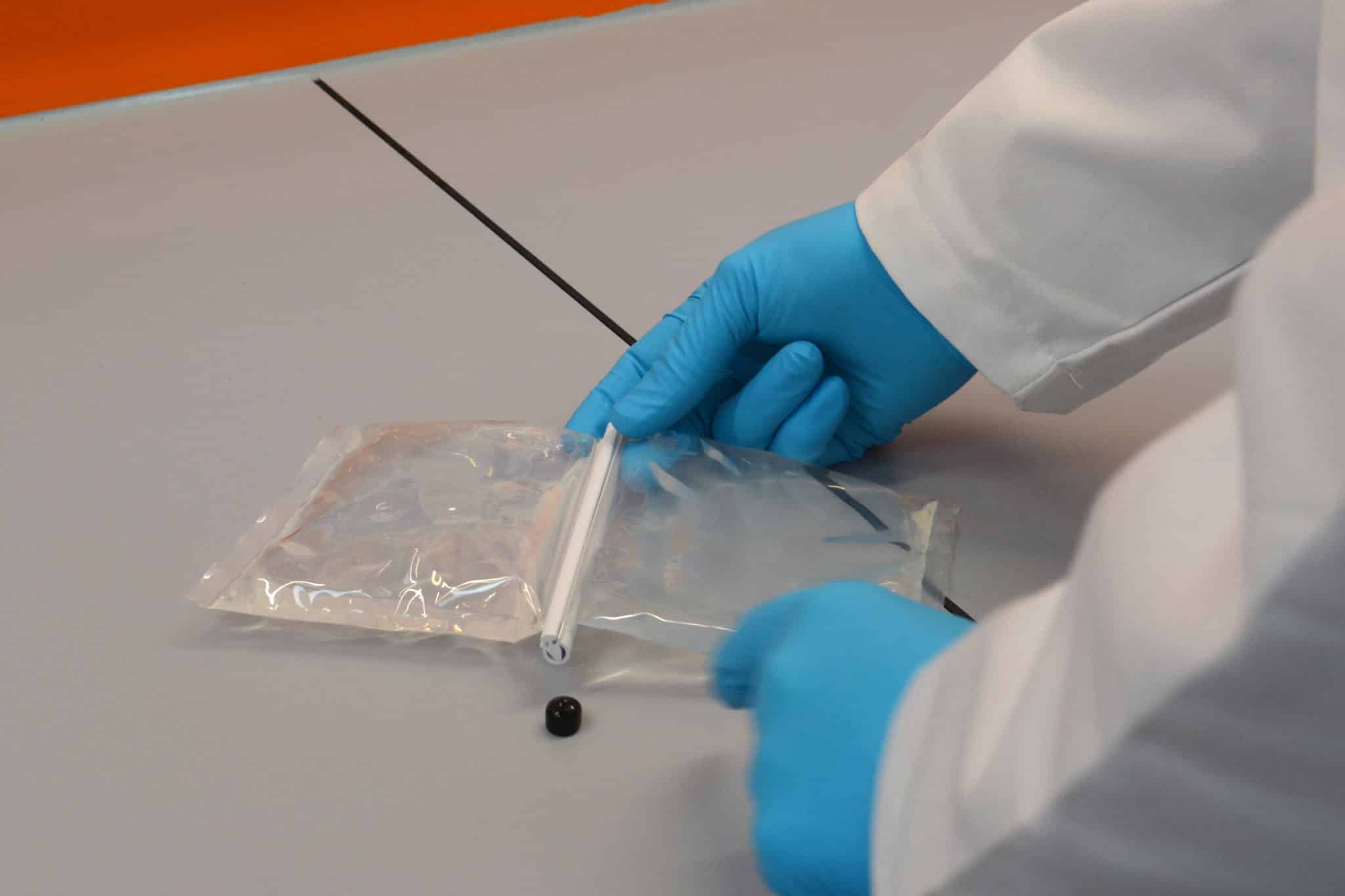
- Remove the twinpack, unfold, and remove the rubber end-caps from the centre clip if fitted. Grip the pack on each side of the centre clip and pull gently in a stretching motion. This will cause the clip and rail to spring off, leaving the resin and hardener together in the sachet, free to mix.
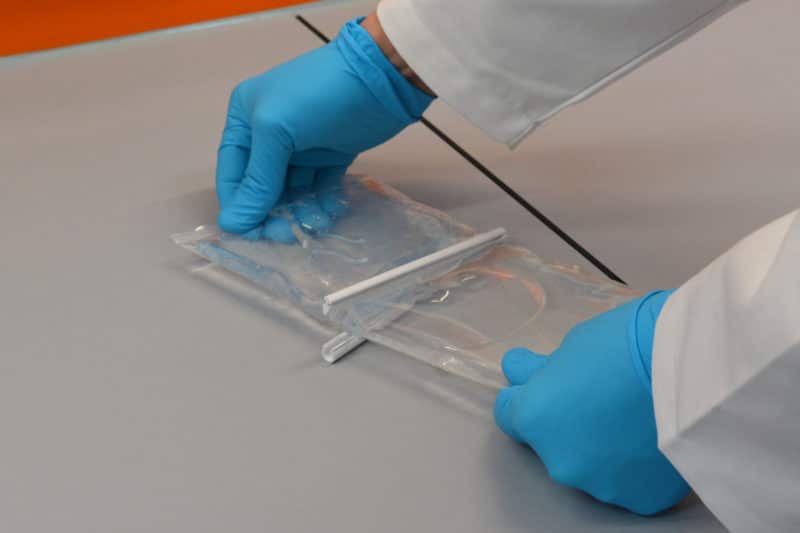
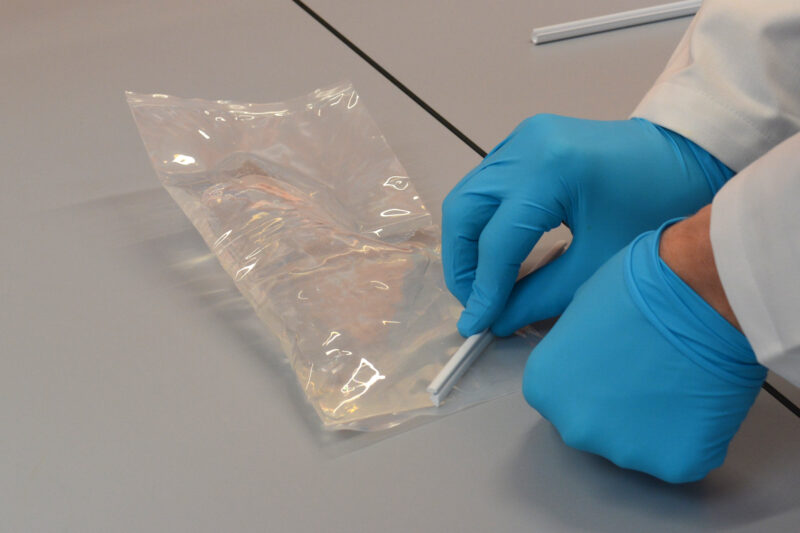
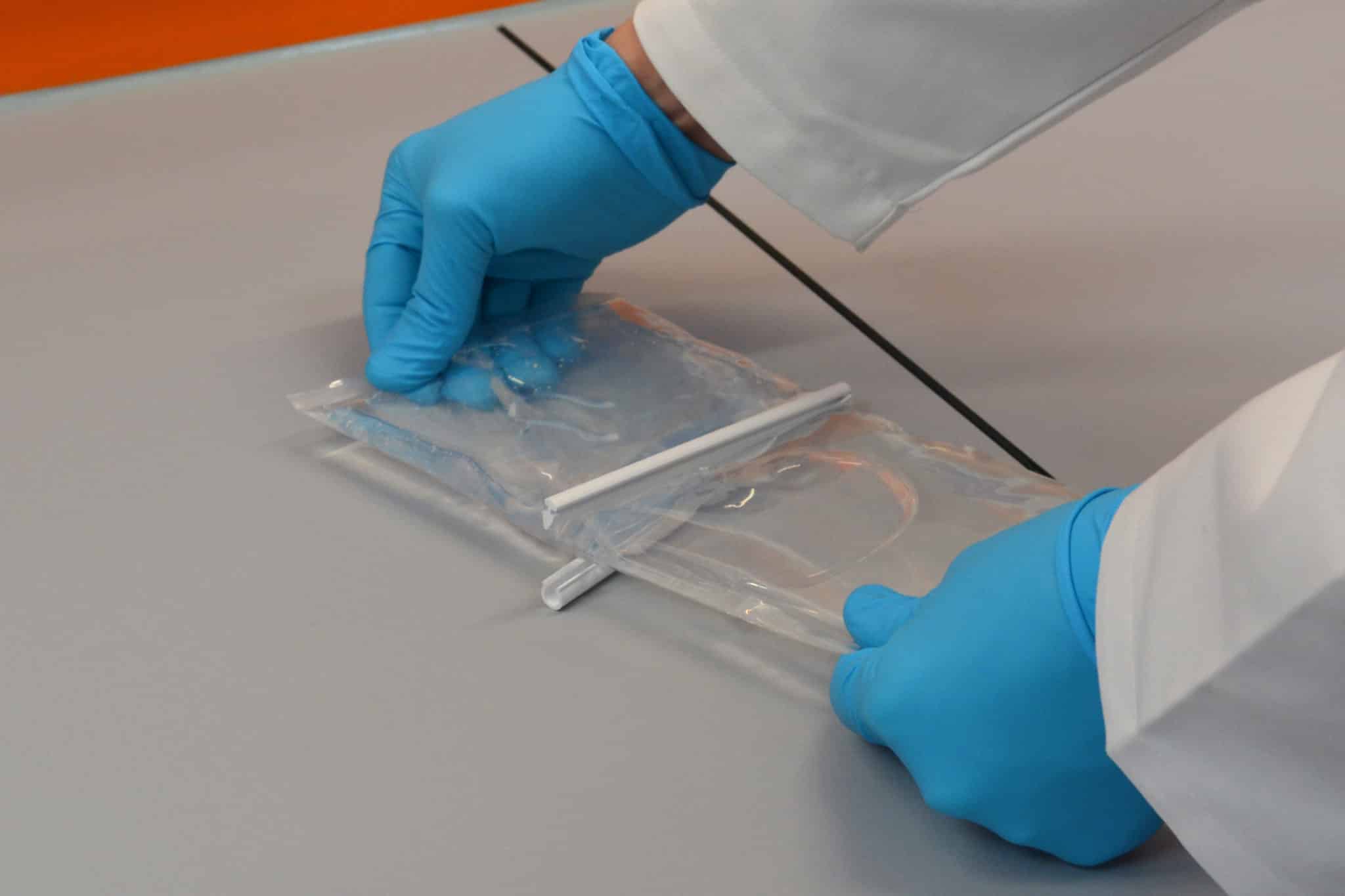
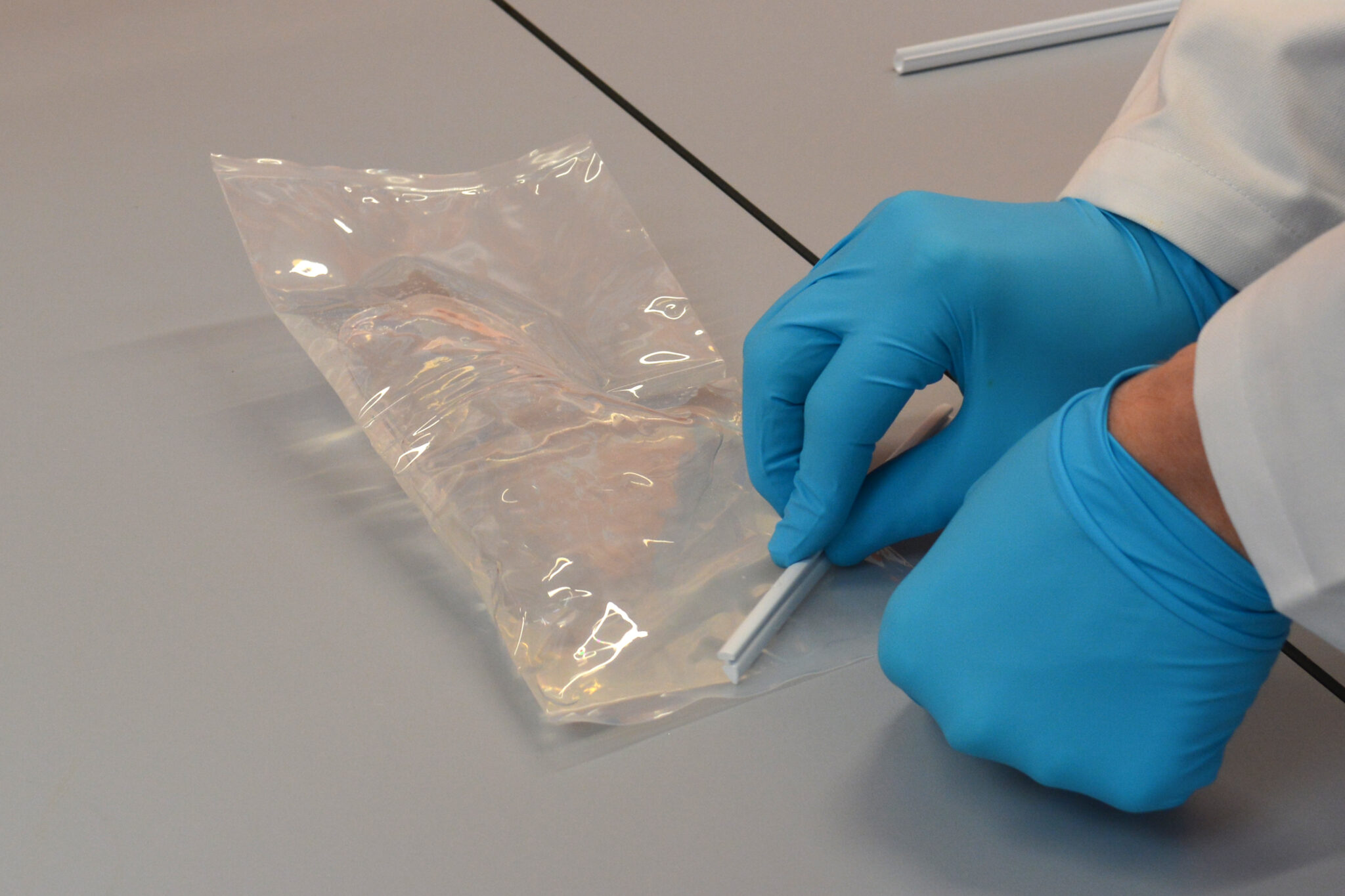
- Place the twinpack on a smooth, level surface and use the separator strip as a scraper, push the components from the sides and corners of the pack into the middle.
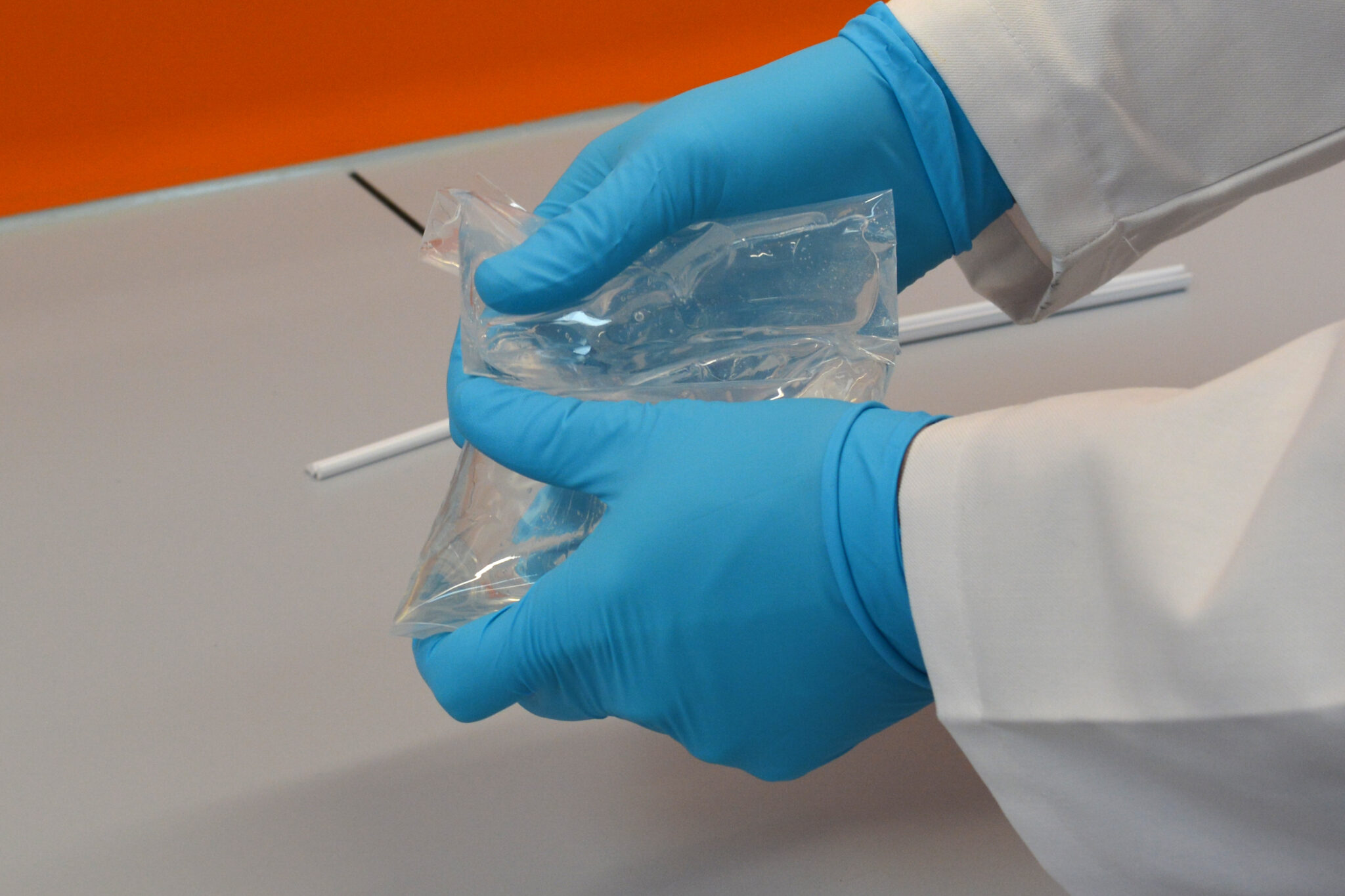
- Start mixing the two components by persistent hand kneading of the twinpack until the contents are uniformly blended. Take hold of the twinpack with both hands, holding your hands fairly close together and moving in a circular, scrubbing-like action. For twinpacks which are too small to do this, hold the twinpack against the edge of a table and scrape it back and forth.
- Repeat steps 4 and 5; this is particularly important with high viscosity or heavily filled systems and where there is only a small proportion of catalyst to compound ratio. Ensure all material has been pushed out of the corners of the twinpack.
- Mixing time will vary due to the viscosity and size of the twinpack, but normally 2-3 minutes is sufficient. Materials with very short pot life will require faster mixing. If in doubt, continue mixing as the final quality of the cured material is dependent upon complete mixing.
- Visually inspect the twinpack to ensure the material is thoroughly mixed, with complete uniformity and no striations.
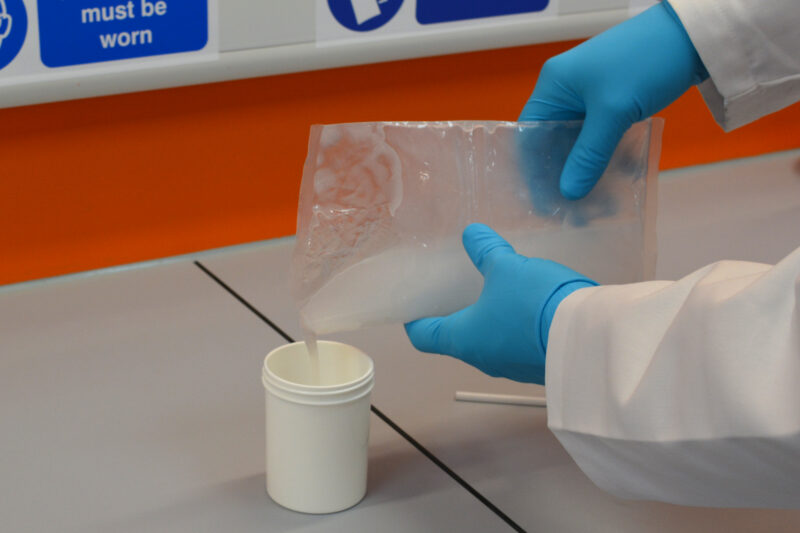
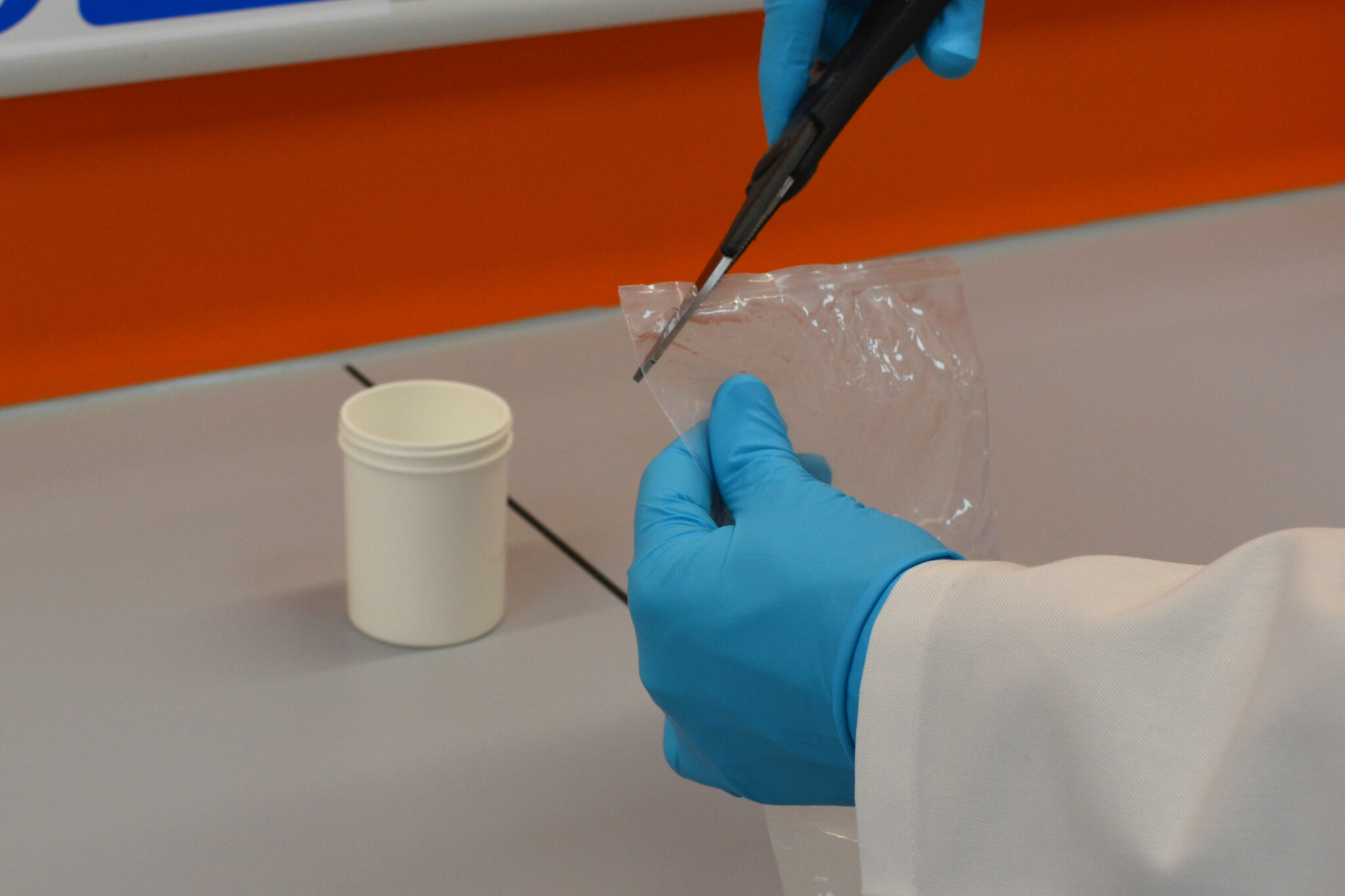
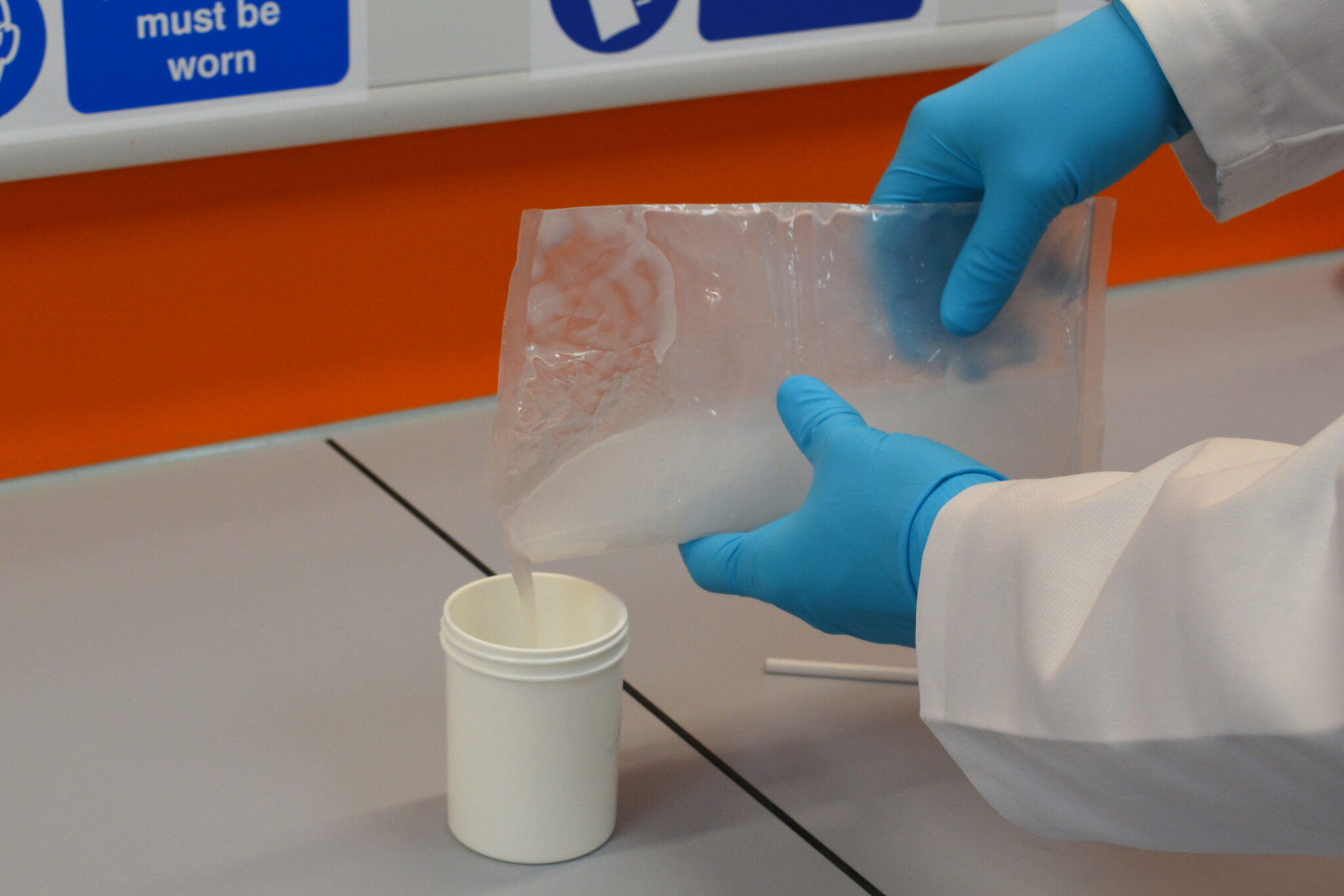
- Using the clip, scrape the mixture away from a corner of the twinpack. Cut off the corner, making a large enough hole for your required rate of flow. Dispense the mixed material by squeezing the twinpack from the bottom, releasing the pressure and upending the twinpack to stop the flow.
Disposal
Discard empty pack(s) into a suitable container where any remaining material can be allowed to cure within the pack and become inert. Dispose cured material with your normal waste.