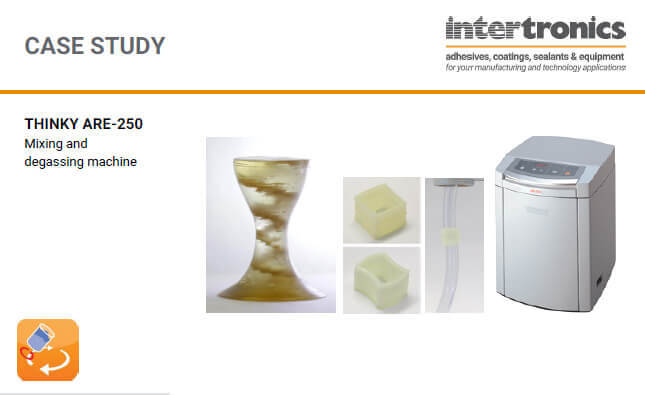
By combining a number of materials using different mix ratios and adding inorganic fillers, ETH Zurich is increasing the possibilities for 3D printing in two key areas. First is the possibility of combining multiple materials in a single geometry with precise definition. Second is the control of the orientation of anisotropic particles used as building blocks during a direct ink-writing process. Particle orientation control is demonstrated by applying low magnetic fields on deposited inks pre-loaded with magnetized stiff platelets. Outcomes include programmable material properties, such as shape-changing.
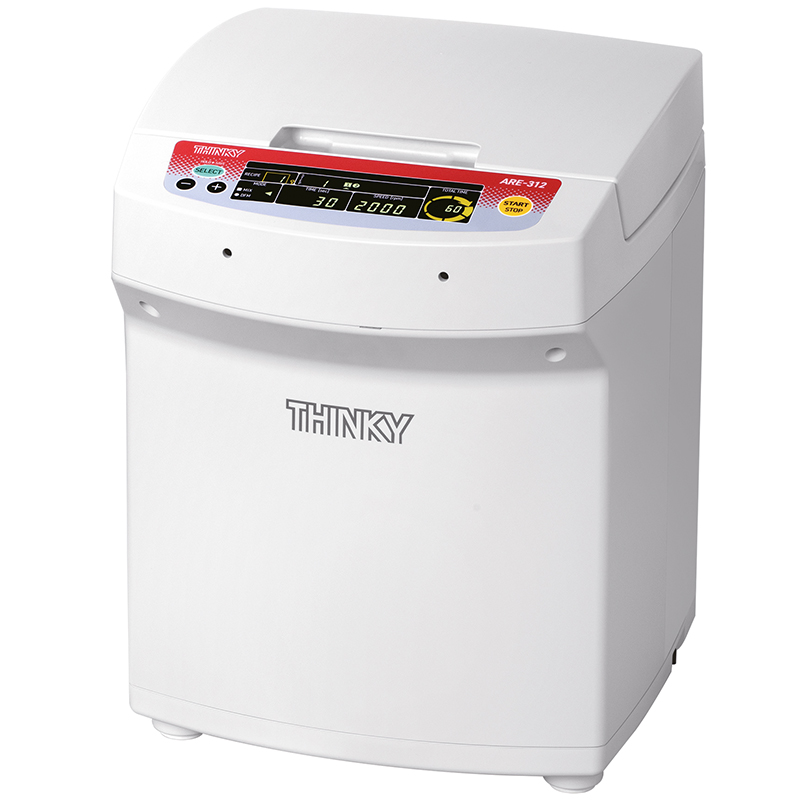
“Homogeneous mixing of the print materials is vital to carrying out a trouble-free printing process. To ensure that the source material mixes homogeneously with the fillers, we use the THINKY ARE-250,” report the scientists.