Browse industry-specific solutions for bonding, coating, and dispensing. Find proven materials and manufacturing technology tailored to your exact requirements.
EU MDR, EU IVDR and ISO-13485: why process control is the real key to compliance
Abstract
Medical device manufacturers must meet regulatory requirements while establishing manufacturing processes that consistently deliver safe, effective products. This paper explains the different roles of EU MDR, EU IVDR and ISO 13485, and how their requirements connect to practical manufacturing decisions. Focusing on adhesive bonding, it examines why documentation must be supported by evidence of a capable, controlled and repeatable process. It then explores how adhesive selection, joint design, dispensing and curing technologies can eliminate unnecessary process variables and make the remaining variables easier to measure and control. Making these choices early can simplify validation, improve manufacturing consistency and reduce the effort and cost of maintaining compliance throughout the product lifecycle.
Introduction
This paper follows three connected topics: how the regulations and quality management standard relate to one another; why compliance depends on process control as well as documentation; and how better adhesive choices and simpler bonding processes can reduce the burden of validation and ongoing control. The connection is practical: decisions made during process development shape both manufacturing performance and the evidence needed to demonstrate compliance. Our interest in these requirements comes from helping medical device manufacturers select adhesives and develop reliable bonding processes.
MDR, IVDR or ISO 13485?
Medical device manufacturers developing products for UK and international markets need to understand how different regulatory requirements and quality standards fit together. A common question is whether they need to comply with EU MDR, EU IVDR or ISO 13485. The question is understandable. These documents are closely related, yet they perform very different roles, and appreciating the distinction might change the way we think about compliance itself. This paper focuses on the relationship between the EU regulations and ISO 13485, while exploring process control principles that are relevant to medical device manufacturing across markets.
MDR and IVDR are laws. EU MDR stands for the European Union Medical Device Regulation, formally Regulation (EU) 2017/7451. It is the primary law governing how medical devices are designed, manufactured, tested, approved, and monitored before and after they are placed on the EU market. EU IVDR stands for In Vitro Diagnostic Medical Devices Regulation, formally Regulation (EU) 2017/7462. It is the EU legislation governing in vitro diagnostic (IVD) medical devices, replacing the older In Vitro Diagnostic Directive (IVDD). It came into force alongside the MDR but has its own implementation timetable. For the purposes of this paper, I am going to abbreviate them to MDR and IVDR.
MDR and IVDR include the requirement for manufacturers to establish and maintain an appropriate Quality Management System (QMS).
ISO 13485:2016, Medical devices — Quality management systems — Requirements for regulatory purposes, by contrast, is an internationally recognised standard that provides the accepted framework for building that quality management system. Manufacturers are not legally required to become certified to ISO 13485, but in practice it has become the universally recognised means of demonstrating that a QMS satisfies the expectations of regulators, notified bodies and customers alike.
How they fit together
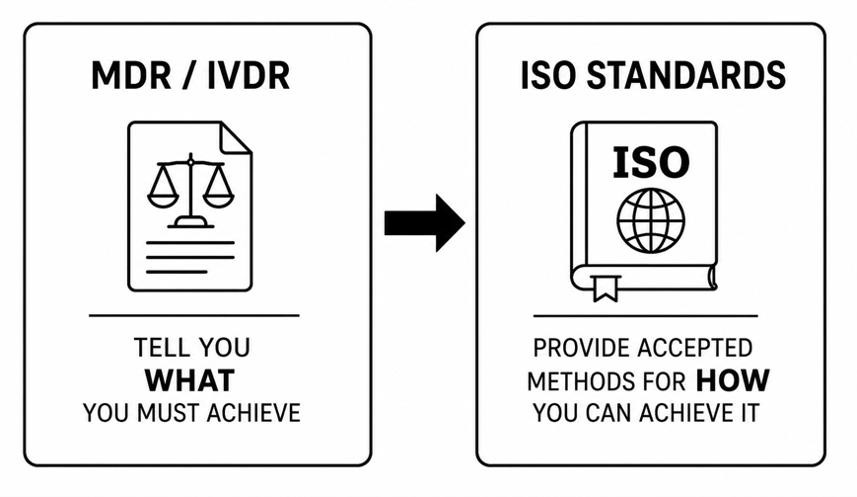
Put simply, MDR and IVDR tell manufacturers what they must achieve. ISO 13485 provides an established framework for demonstrating how they achieve it.
That relationship might be misunderstood because organisations could think they are dealing with three separate compliance exercises: one for MDR, one for IVDR and another for ISO 13485. In reality, there is only one manufacturing system. The regulations define the outcome that system must deliver, while ISO 13485 describes how that system should be organised and managed. Neither exists in isolation, and neither, on its own, makes a medical device safe.
This is an important point because compliance is frequently viewed through the lens of documentation. Ask people what MDR or ISO 13485 involves and they are likely to mention quality manuals, procedures, audits, technical files and validation reports. All of those things are essential, but they are evidence of a compliant manufacturing process rather than the process itself. Regulators are not interested in paperwork for its own sake. They want confidence that every device leaving the production line has been manufactured consistently, using controlled processes that deliver predictable results.
That is where process control becomes the real key to compliance
Many discussions about medical device regulation focus on documentation rather than manufacturing capability. Yet regulations do not make products safe. Well-designed manufacturing processes do. The purpose of MDR, IVDR and ISO 13485 is ultimately to ensure that manufacturers can demonstrate those processes are capable, controlled and repeatable. Viewed in that light, compliance becomes a consequence of good engineering rather than an administrative exercise.
Why adhesive bonding can present a validation challenge
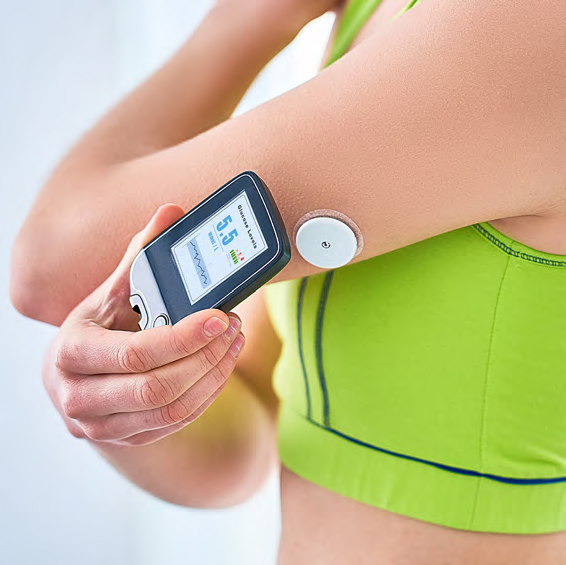
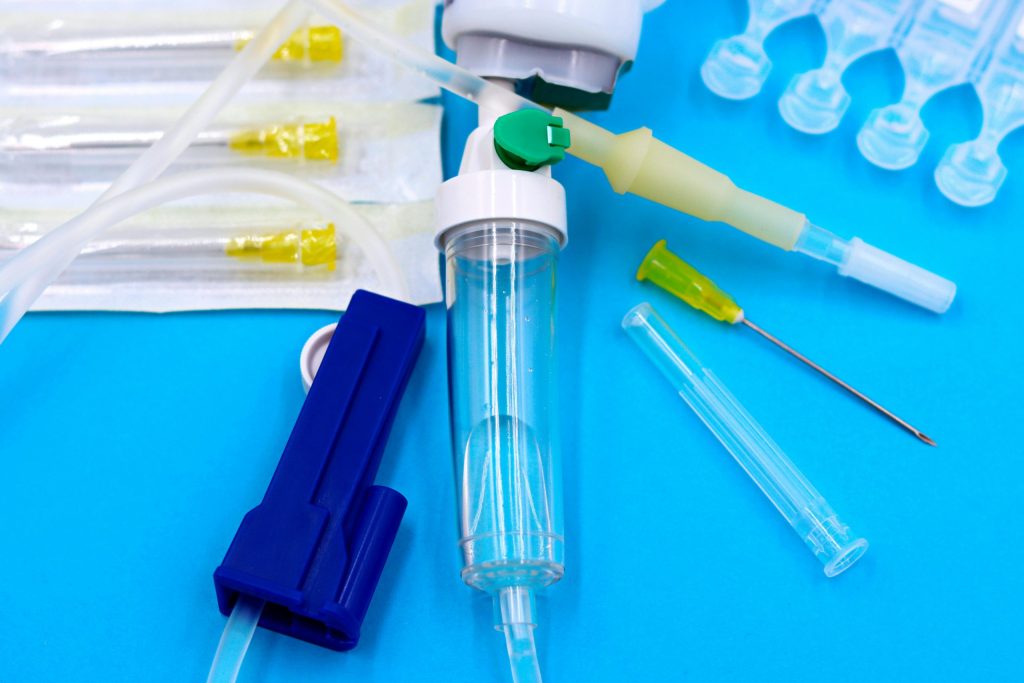
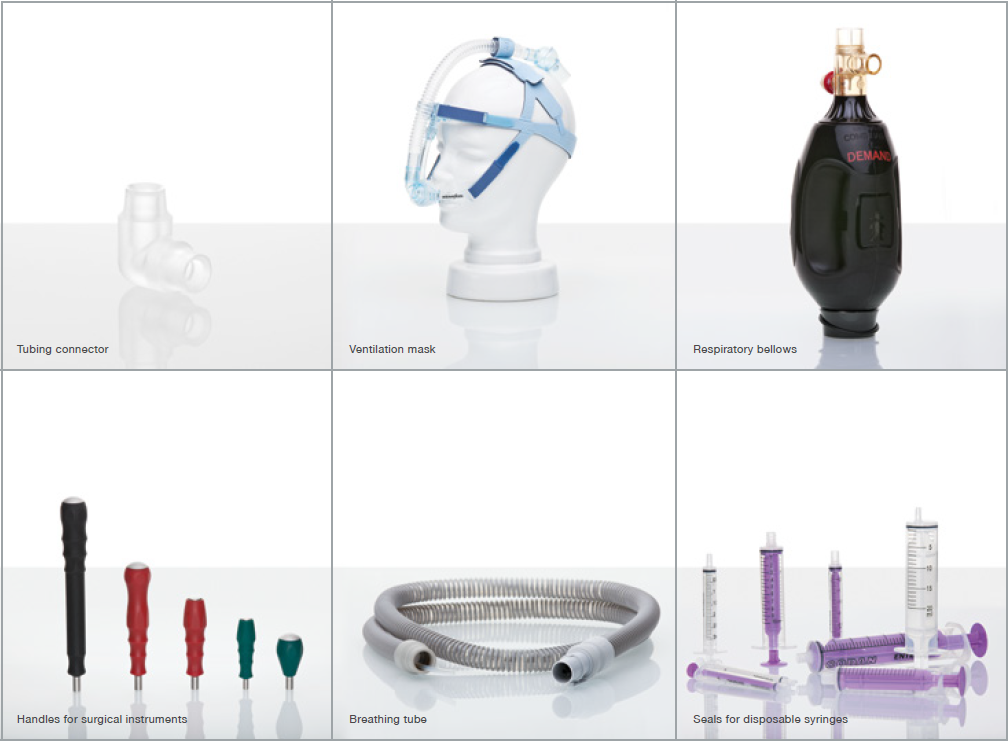
Consider adhesive bonding, which has become a fundamental assembly technology for many medical devices. Adhesives are used to join plastics, metals, glass, electronics and miniature components in everything from wearable sensors and infusion devices to diagnostic cartridges. Yet the integrity of an adhesive bond cannot usually be verified without destroying the product. You cannot pull every bond apart to confirm it is strong enough before shipping the device. Instead, manufacturers must demonstrate confidence in the process that produced the bond.
This is why ISO 13485 requires manufacturers to validate production processes where the resulting output cannot be fully verified by subsequent inspection or measurement. Adhesive bonding is a textbook example. Validation is therefore not simply a regulatory hurdle, it is the means by which a manufacturer demonstrates, through objective evidence, that a process consistently produces products meeting their predetermined specifications. As we explain in our recent white paper, Process Validation in Medical Device Bonding: Controlling Variables3, validation is not about proving that a process works once under ideal laboratory conditions. It is about proving that it will continue to work reliably under normal production conditions, with typical operators, equipment, materials and environmental influences.
Validating the production process
Thinking about validation in this way leads to a more useful question. Rather than asking, “How do we validate this process?”, manufacturers should ask, “How do we design a process that is straightforward to validate?” The answer has surprisingly little to do with regulation and almost everything to do with engineering.
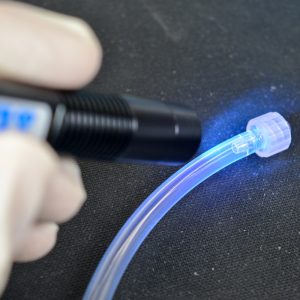
Figure 1 – A single part adhesive curable with UV LED light reduces process variables in medical device bonding
Every unnecessary process variable increases the complexity of validation. A manually mixed two-part adhesive introduces uncertainty in mix ratio, mixing quality and pot life. A pneumatic time-pressure dispenser can be affected by changes in viscosity, ambient temperature or syringe fill level. A handheld UV curing lamp introduces variation in working distance, exposure angle and cure time. None of these factors necessarily prevents successful production, but each one must be understood, characterised, documented and controlled before the process can be considered robust. The cumulative effect is a validation programme that becomes increasingly expensive, time-consuming and difficult to maintain over the life of the product.
The opposite approach is to engineer simplicity into the process from the outset. A single-component adhesive removes mixing entirely. Volumetric positive displacement dispensing delivers the same quantity of material regardless of viscosity changes. Robotic dispensing removes operator variability in positioning, while modern LED curing systems provide stable, measurable energy output throughout their operating life. Every process variable that can be eliminated is one less variable that has to be validated, monitored and controlled throughout the product’s manufacturing lifetime.
Neither MDR, IVDR nor ISO 13485 approves adhesives
Neither MDR, IVDR nor ISO 13485 tells a manufacturer which adhesive to use, nor should they. They do not approve one dispensing technology over another or mandate a particular curing method. Instead, they require manufacturers to demonstrate that whatever materials and equipment they choose are appropriate for the application and form part of a manufacturing process that is capable, controlled and repeatable.
This is why process capability is often more important than the individual performance of any one material. An inappropriate adhesive does not, in itself, make a medical device non-compliant with MDR or IVDR. However, it can make it much more difficult for the manufacturer to demonstrate that the bonding process consistently produces compliant devices. Excessive sensitivity to humidity, a short working life, inconsistent dispensing behaviour or cure processes that are difficult to monitor all introduce uncertainty into production. That uncertainty must then be characterised, controlled and validated, increasing both development effort and long-term manufacturing risk.
Selecting technologies that minimise process variation can therefore dramatically simplify validation. As we argued in our previous white paper3, successful process development should pursue two complementary objectives: eliminate variables wherever possible, and ensure that the remaining variables are easy to understand, measure and control. The best adhesive is therefore not necessarily the one with the highest bond strength or the fastest cure, but the one that enables the manufacturer to establish a robust manufacturing process that consistently produces devices meeting their intended performance and regulatory requirements.
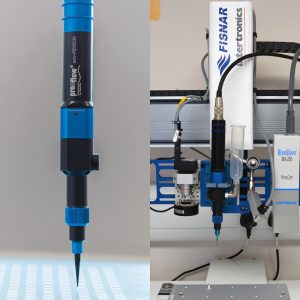
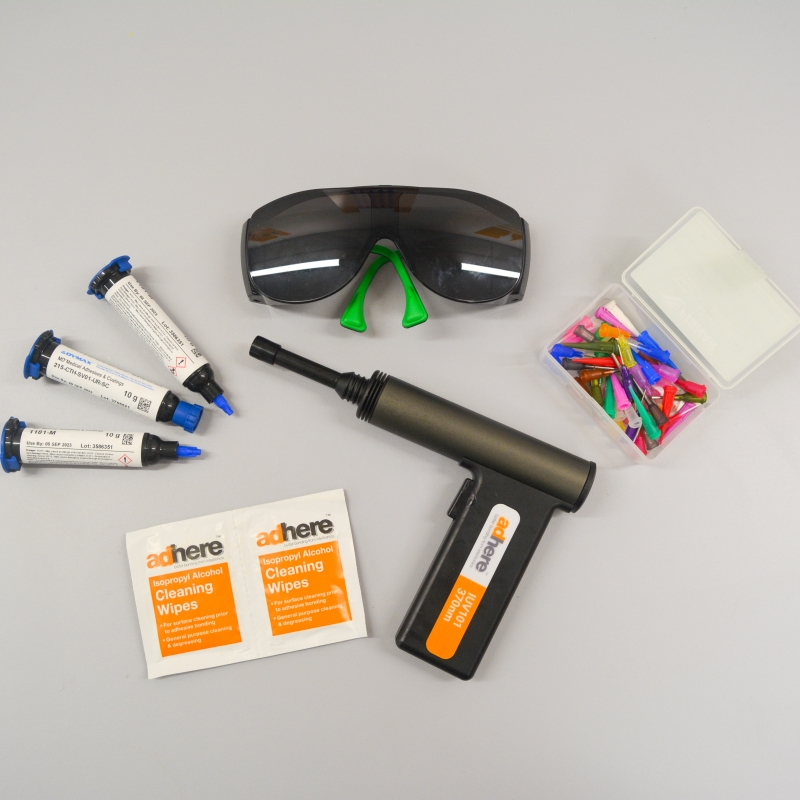
Figure 2 – A vendor who can supply the adhesive as well as precision dispensing, curing equipment, and other process items will help reduce process development time and risk
The importance of your adhesive supplier
This perspective also explains why manufacturers increasingly expect more from their suppliers. An adhesive supplier is no longer simply supplying adhesive, and an equipment supplier is not merely selling a dispensing valve or UV curing lamp. These technologies work together as part of a single validated manufacturing process, and their performance cannot always be considered in isolation. Consistent product quality, documented performance, traceability, calibration, change notification and technical support are not optional extras. They form part of the evidence that manufacturers rely upon to maintain compliance throughout the product lifecycle. There are therefore clear advantages in working with a supplier that can support the complete bonding process rather than individual components in isolation. Adhesives, dispensing systems, curing equipment, surface preparation and process measurement all interact, and decisions made in one area often affect another. Having a single technical partner who understands those interactions can shorten development, simplify validation and reduce risk – not only production risk, but regulatory risk as well – throughout the life of the product.
Think about compliance early
Perhaps the biggest misconception about compliance is that it happens towards the end of a project, when the technical file is assembled and the validation protocols are written. In reality, the foundations of compliance are laid much earlier, often during process development. The choice of adhesive, dispensing technology, curing method and inspection technique will determine how much variation exists within the process, and consequently how difficult that process will be to validate. By the time the paperwork is produced, many of the most important compliance decisions have already been made.
This is why we believe process control deserves a more central place in discussions about medical device regulation. MDR and IVDR require manufacturers to operate controlled manufacturing systems. ISO 13485 provides the recognised framework for building those systems. But neither regulation nor standard can compensate for a process that has been designed with unnecessary complexity or uncontrolled variation. Compliance ultimately rests on engineering decisions that make manufacturing repeatable, measurable and predictable.
For reusable devices, these early decisions must also take account of cleaning, disinfection and, where applicable, repeated sterilisation. Adhesive selection and joint design need to support effective cleaning and maintain the required bond performance throughout the device’s intended reuse life. Validation of the manufacturing process does not, on its own, demonstrate suitability for reuse; the manufacturer must also substantiate the specified reprocessing procedures and their effects on device safety and performance.
Developing a medical device bonding process
Good process engineering does more than satisfy auditors. It shortens development programmes, reduces validation effort, improves manufacturing consistency and lowers long-term production risk. Ultimately, it delivers something far more valuable than regulatory compliance. It delivers confidence that every medical device leaving the production line has been manufactured exactly as intended.
If you are developing or validating an adhesive bonding process for a medical device, our white paper, Process Validation in Medical Device Bonding: Controlling Variables3, explores these ideas in much greater depth. It examines the variables introduced during mixing, dispensing, curing and inspection, and discusses practical ways to eliminate or control them so that validation becomes a natural consequence of good process design, rather than an obstacle to be overcome.