- Products
- Industries
-
-
-
Industries
Browse industry-specific solutions for bonding, coating, and dispensing. Find proven materials and manufacturing technology tailored to your exact requirements.
-
-
-
- Knowledge centre
- News and insights
- About us
-
-
-
About Intertronics
Get a clearer view of the team, facilities and standards behind the technical support offer.
-
-
-
- Contact us
Before you start
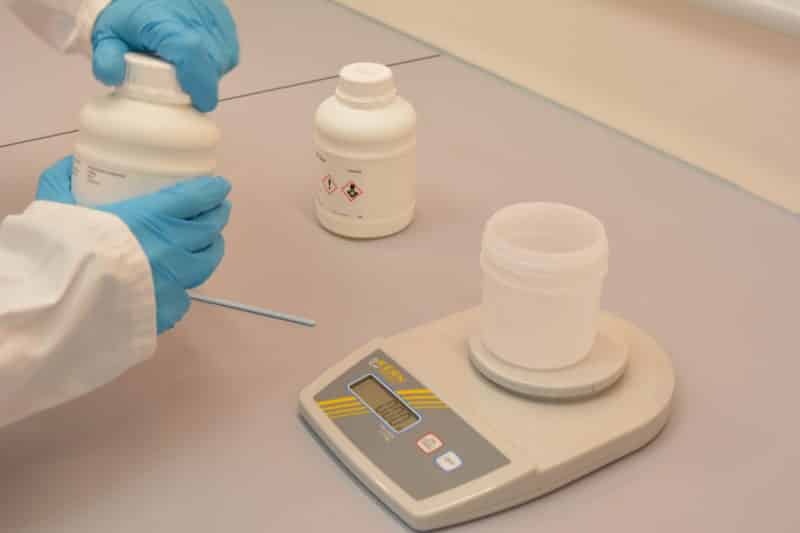
Read and follow the health & safety instructions on the adhesive packaging and material safety data sheet. Use the appropriate PPE. Ensure all utensils and containers for mixing are clean and free of any possible contaminants which could inhibit the cure of the material.
Instructions
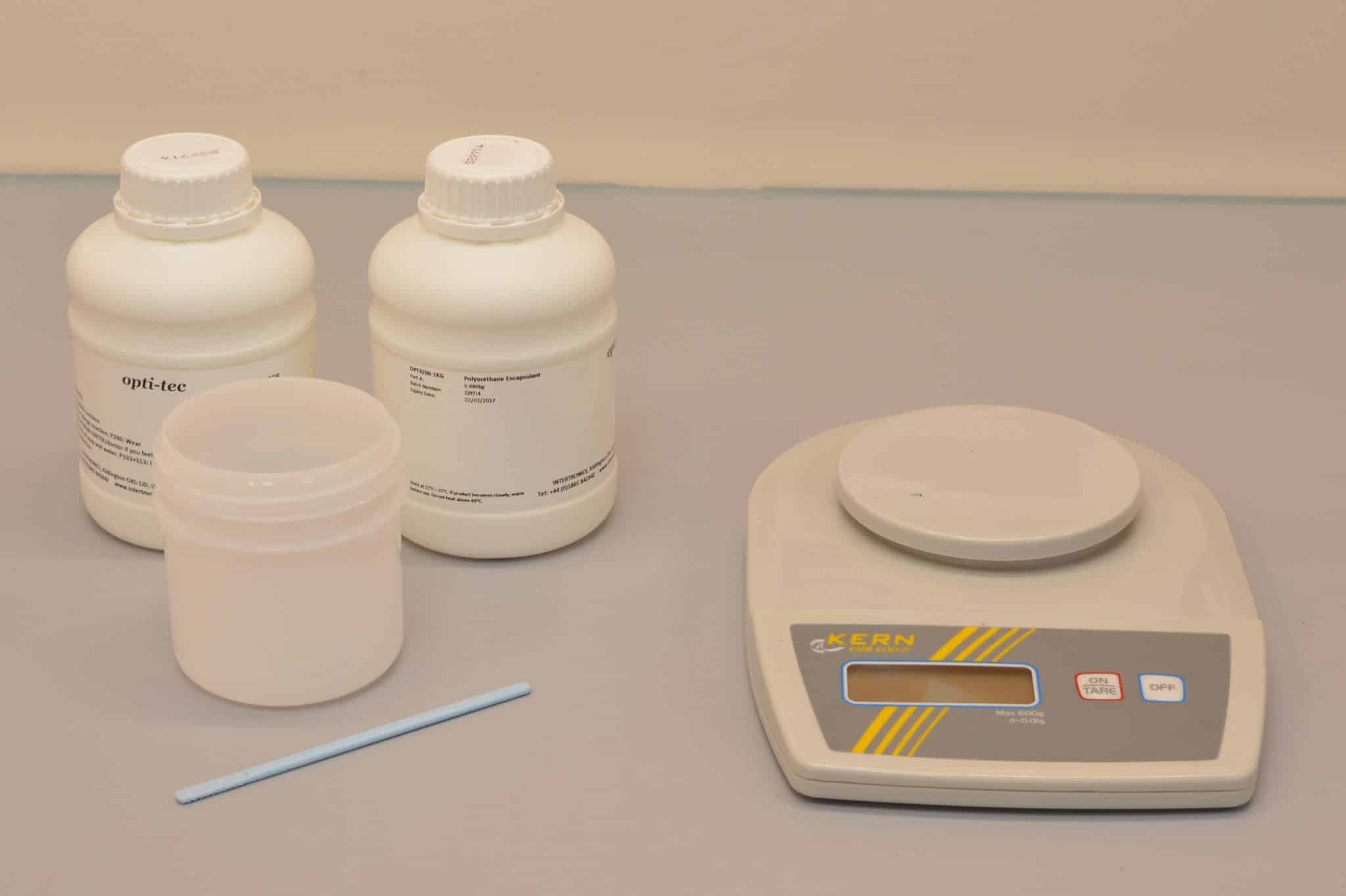
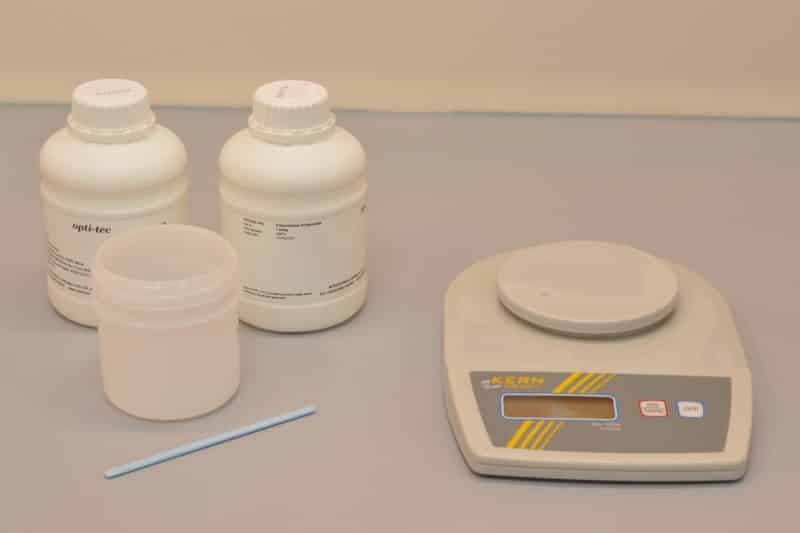
- Calculate the required quantities for each part of material using the mix ratio specified on the product data sheet. For example, for 30g of material required, a 2:1 ratio would be 20g of part A to 10g of part B, whereas a 1:1 ratio would be 15g of part A to 15g of part B.
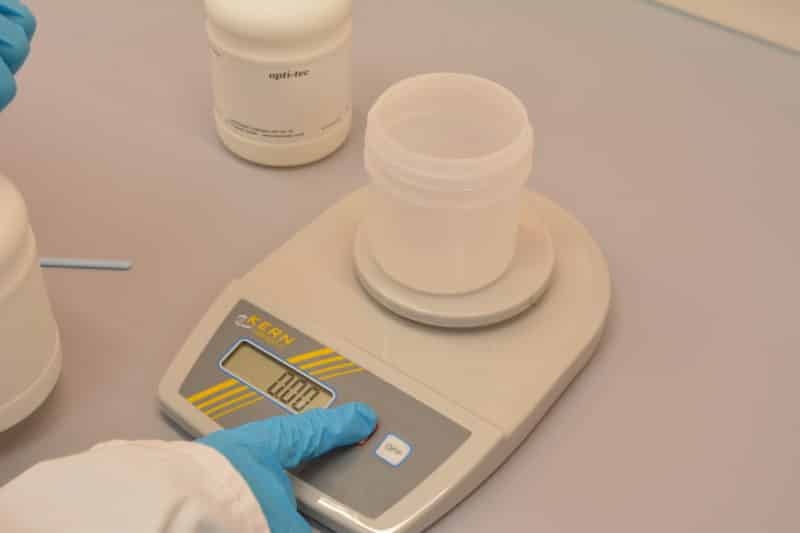
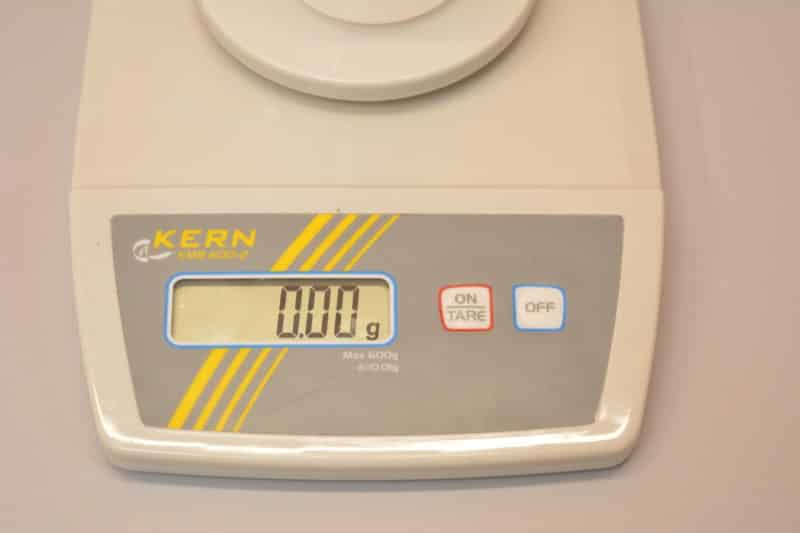
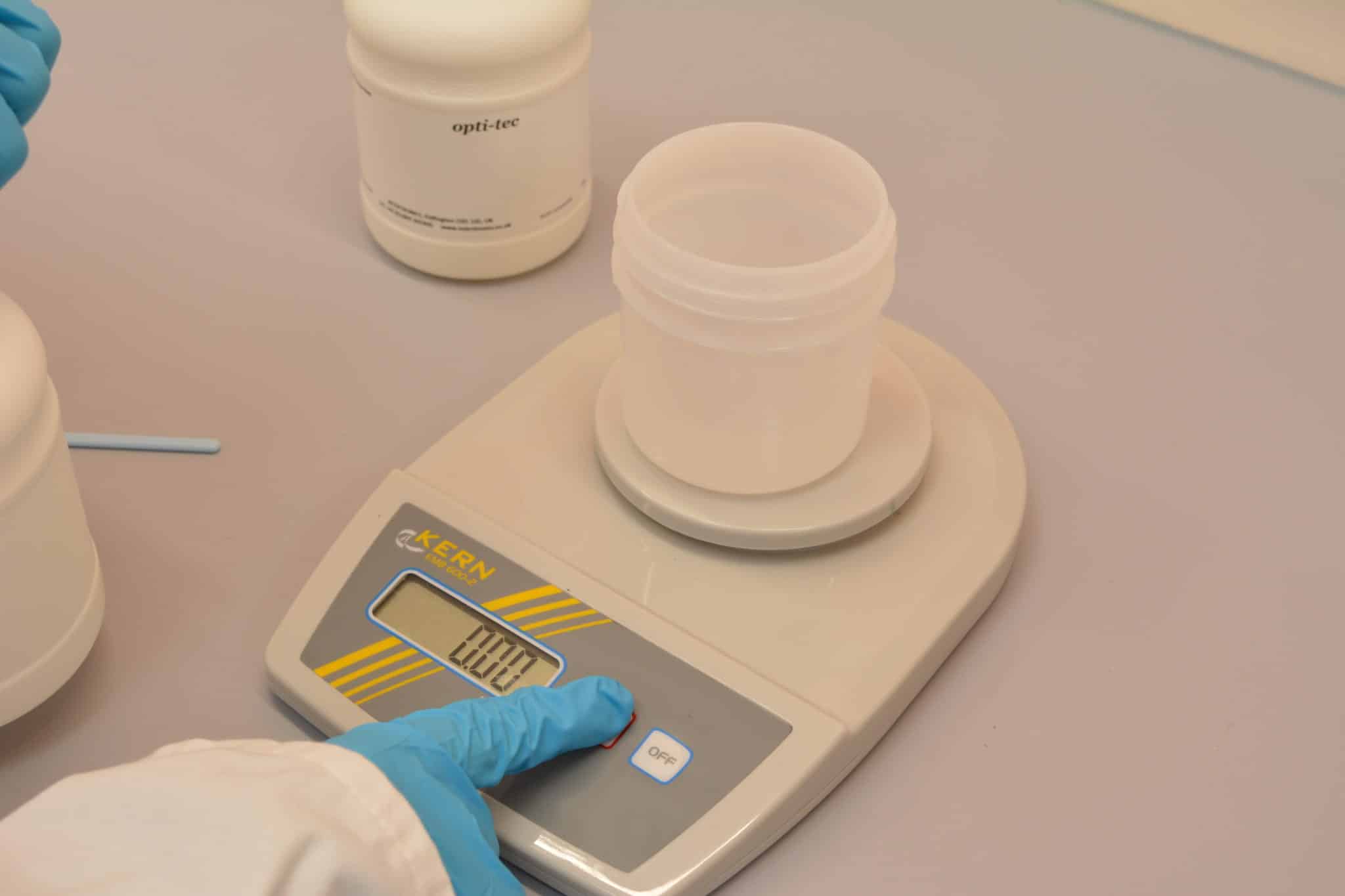
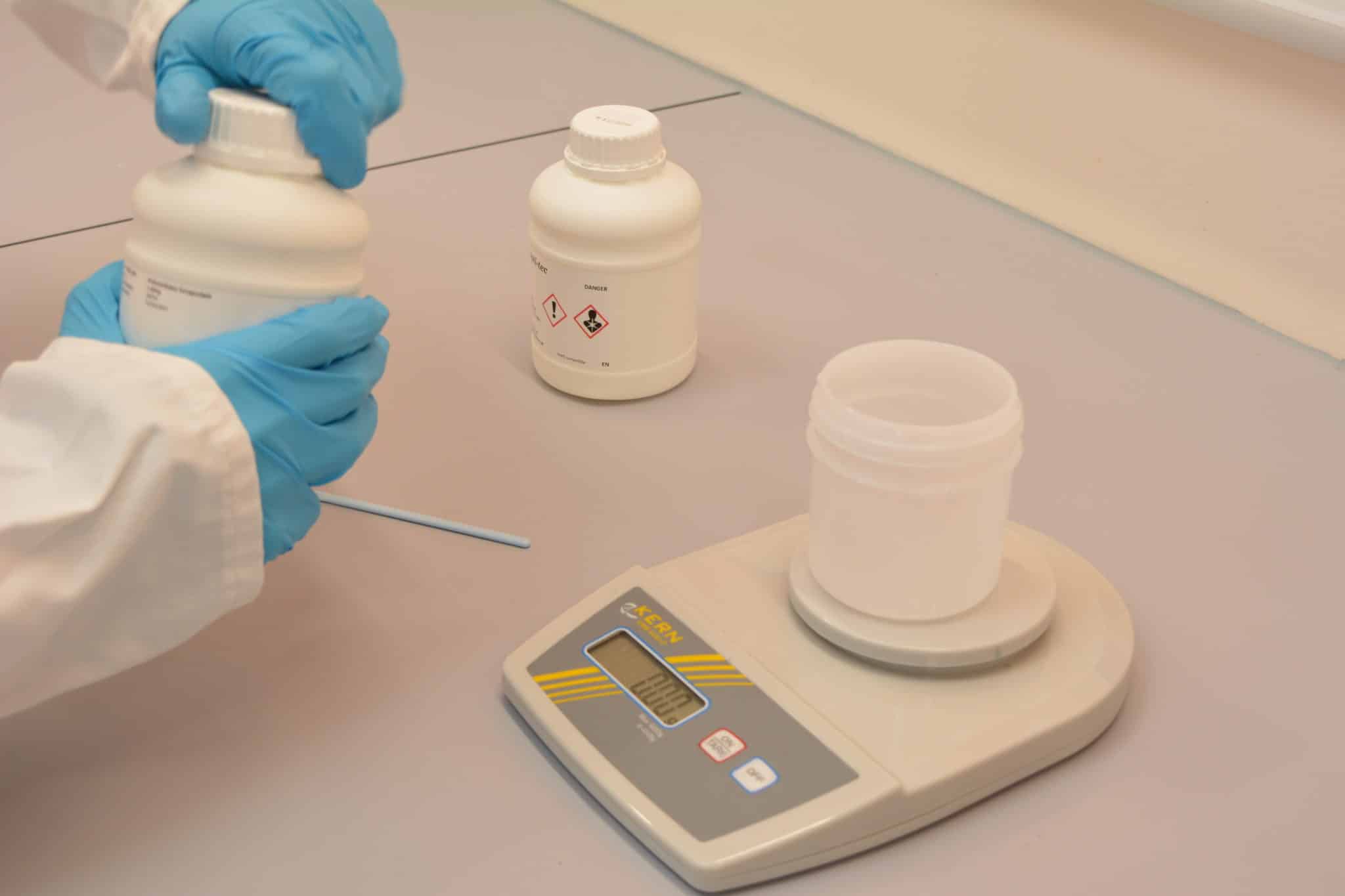
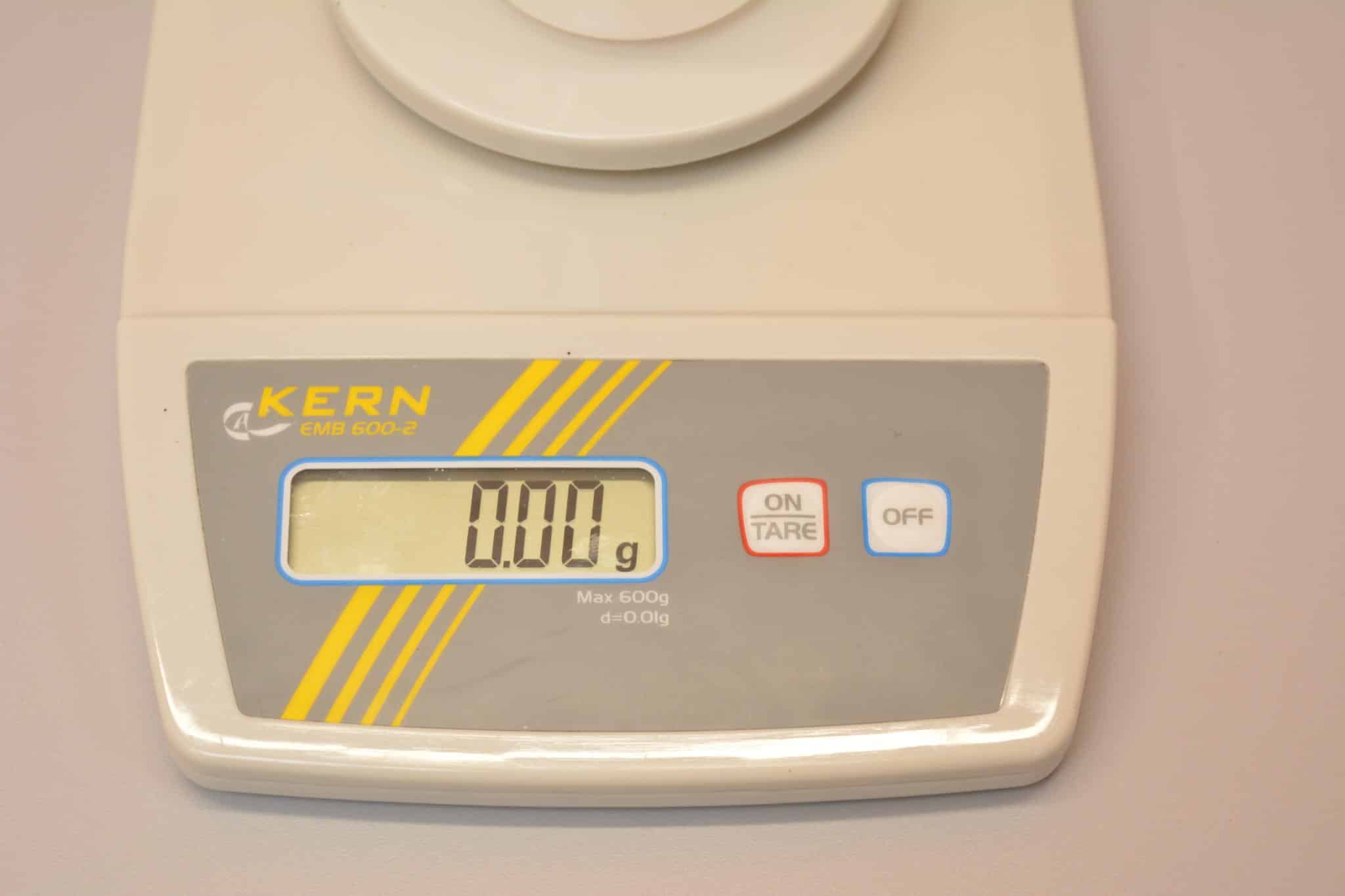
- Place an empty container onto a scale and press TARE/reset to 0g. We recommend the container should be at least three times the volume of the combined materials to allow sufficient room for mixing.
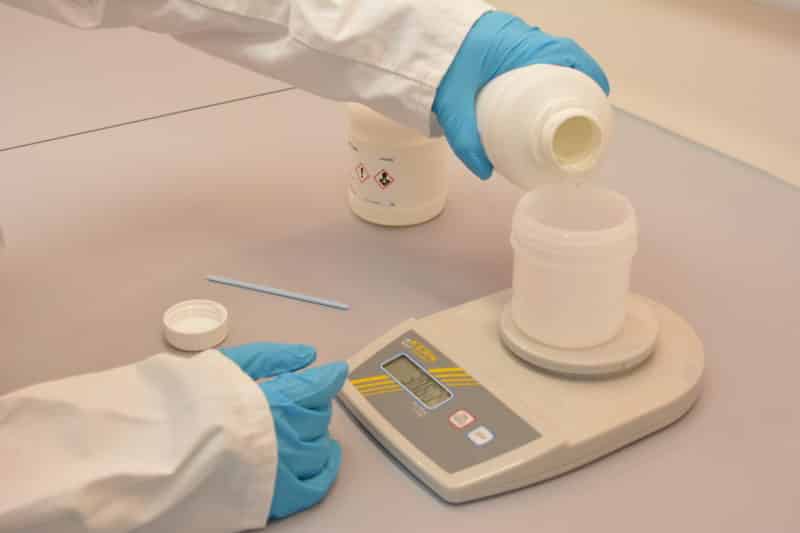
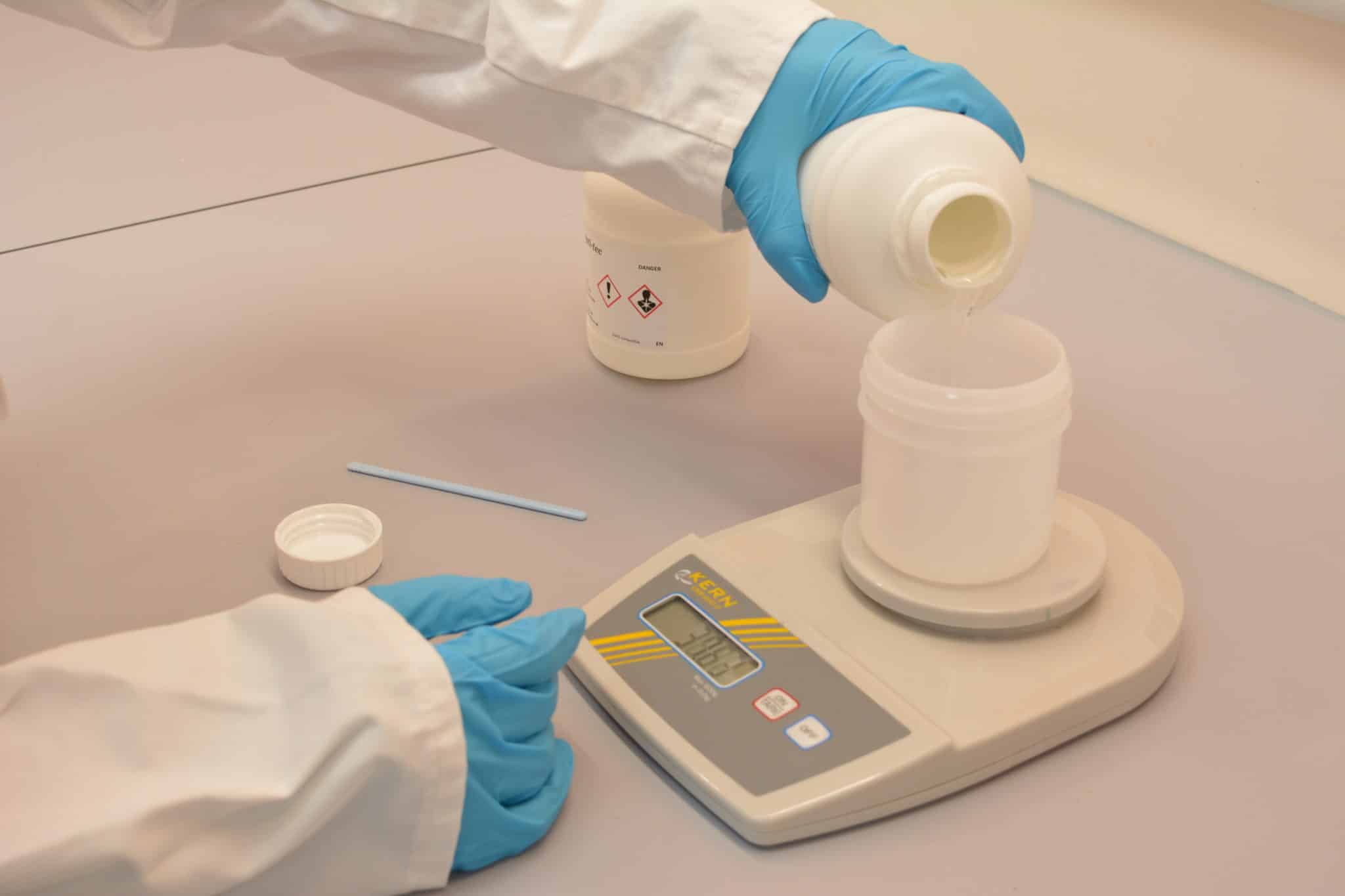
- Pour the calculated amount of part A into the empty container, gently, to avoid incorporating excess air into the material.
- Reset the scale to 0g and gently add the calculated amount of part B to the container.
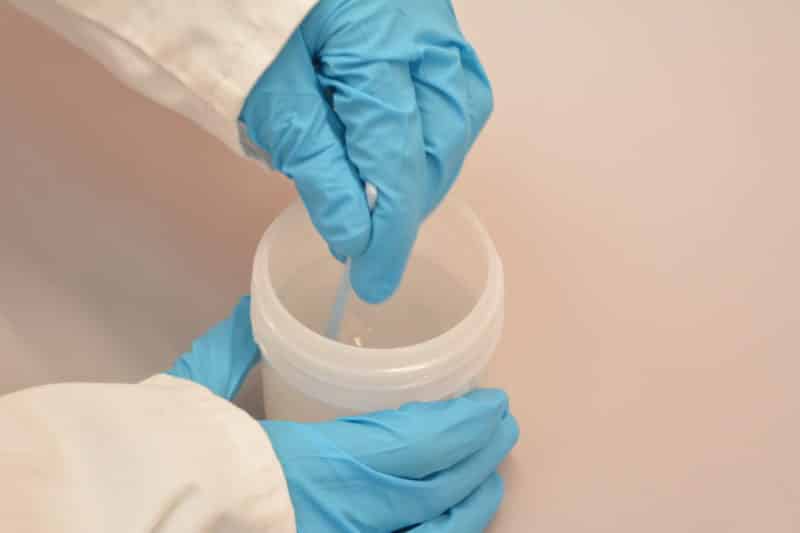
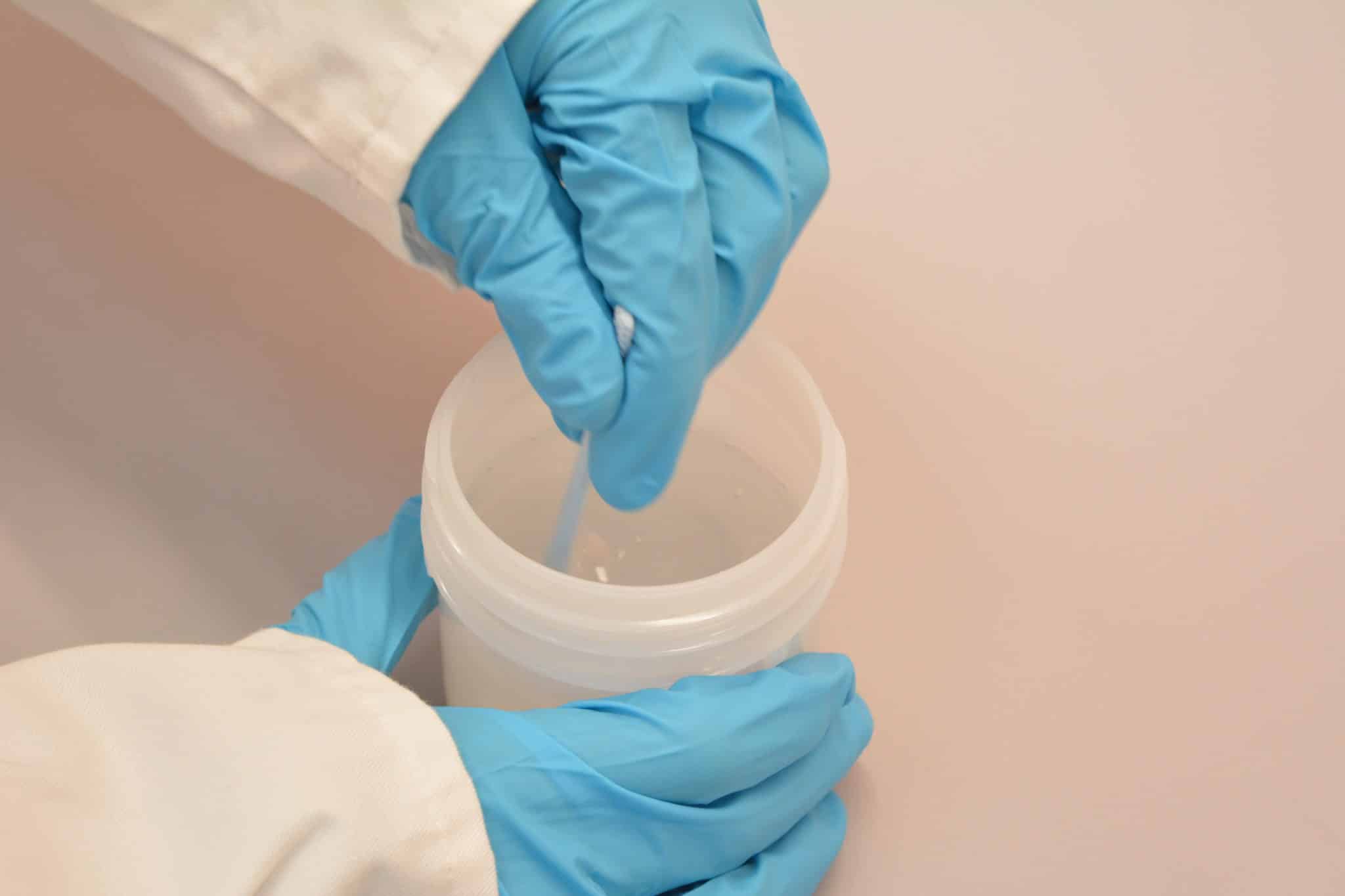
- Using a spatula, carefully mix both parts together in a gentle figure 8 motion.
- Continue until both parts are thoroughly combined with no visible striations. A change in colour or opacity may also indicate that the material is completely mixed.
- Some materials may heat up during mixing as a result of an exothermic reaction. Always read the product data sheet and ensure guidelines of maximum mixing quantities are not exceeded.
- Avoid mixing too vigorously as this will incorporate air into the mixture and may affect the material properties. With some materials, particularly of higher viscosity, they may need to have bubbles and voids removed by vacuum degassing. In this case, ensure the container is at least four times the volume of material to allow for foaming and expansion.
Disposal
Discard the container with any unused material in a suitable place where the material can be left to cure and become inert. Dispose of the cured material with your normal waste.
Recommndation
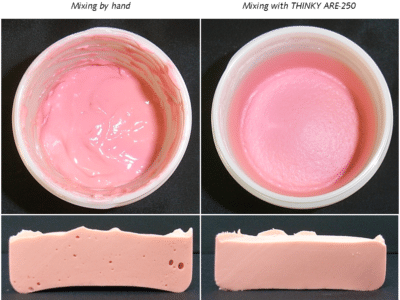
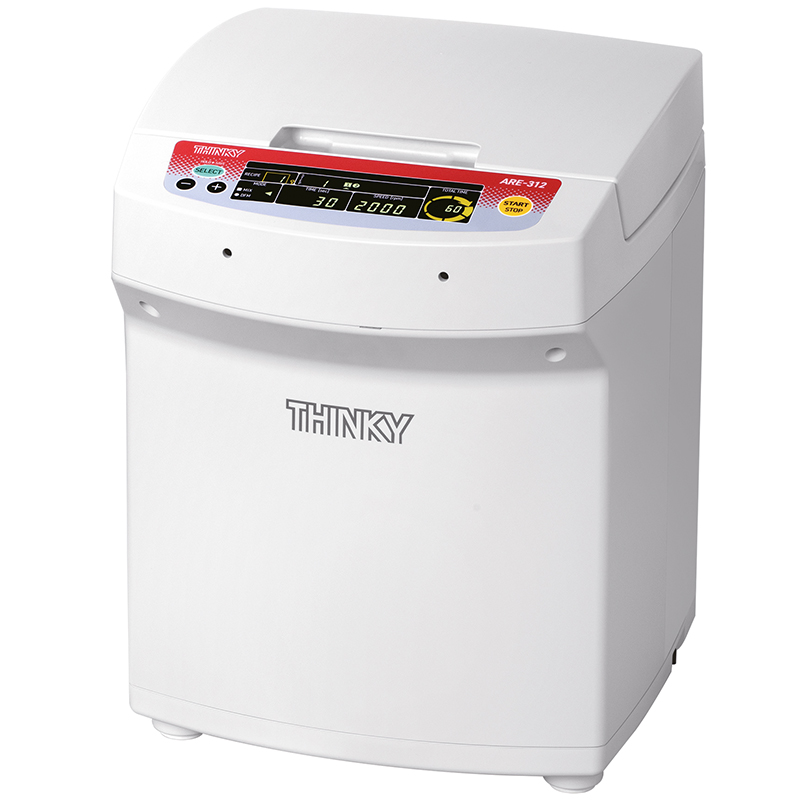
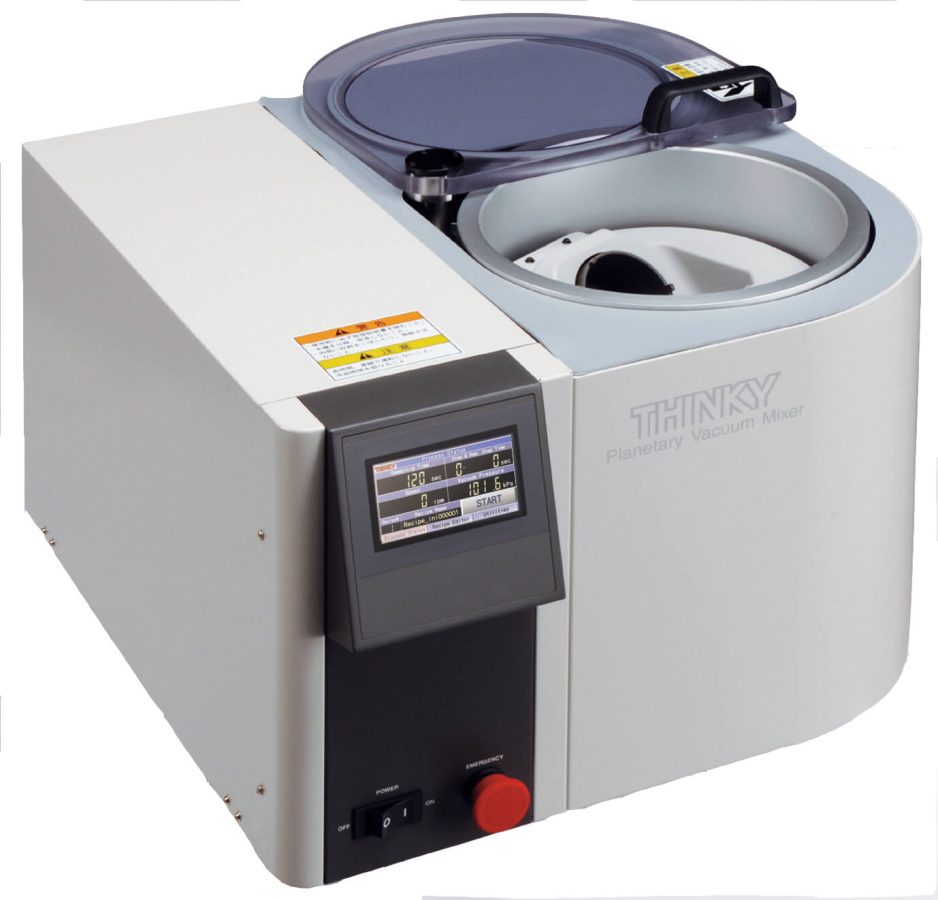
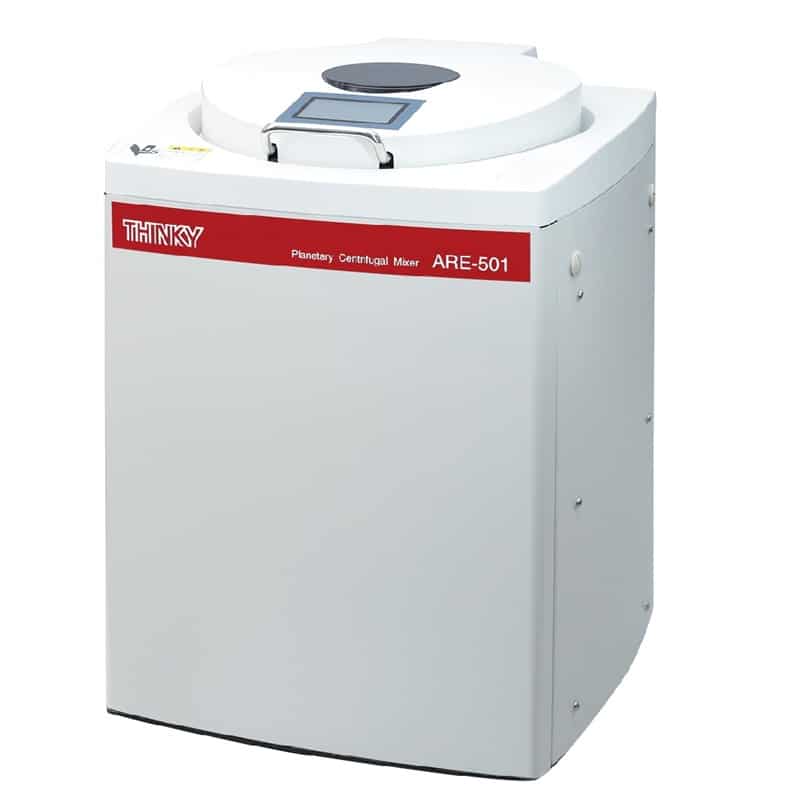
For fully homogenous mixing results, we recommend using a THINKY. These industrial non-contact machines mix, disperse and degas materials in seconds to minutes, in sealed or lid-less containers.